Investing in an earthquake retrofit is a crucial step to protect your home and family from seismic activity. While the primary goal is structural safety, understanding the potential costs involved is essential for planning. Several factors influence the final price of a seismic retrofit, ranging from the specific methods used to the unique characteristics of your property. This guide explores the key elements that shape the cost of safeguarding your home against earthquakes.
Key points
- The complexity and extent of required repairs are primary cost drivers for earthquake retrofits.
- House bolting and other seismic retrofit techniques have varying material and labor expenses.
- Foundation repair needs, such as underpinning or pier and post support, will add to the overall cost.
- Permit fees and potential integration of drainage solutions are additional factors influencing the final price.
Assessing Your Home’s Specific Needs
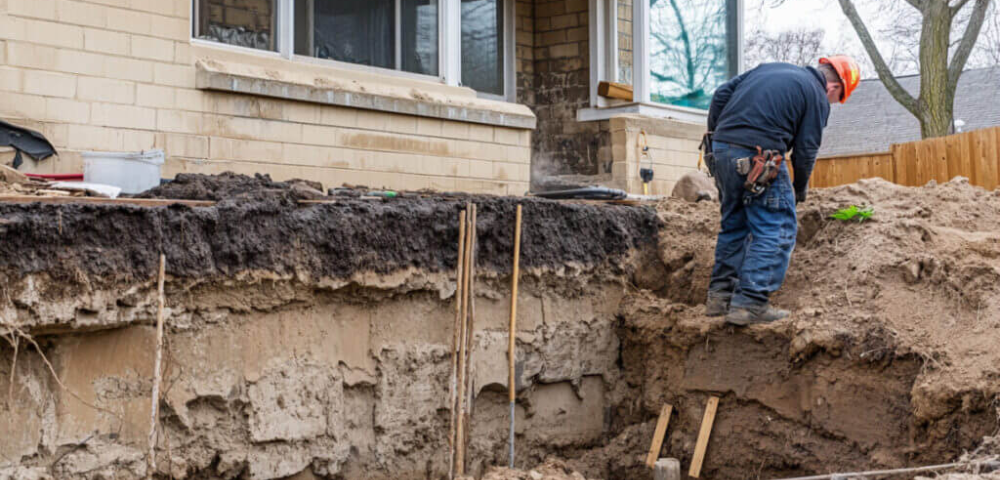
The scope of work required for an earthquake retrofit is the most significant driver of cost. A thorough inspection by a qualified professional is the first step. This assessment will identify the current condition of your foundation and structural elements. Homes with existing damage, older construction methods, or those situated on less stable soil may require more extensive remediation. Services like foundation repair, which might include underpinning or sister foundations, can add to the overall expense if significant structural issues are found. The complexity of your home’s layout and the accessibility of critical structural points also play a role.
Common Retrofit Techniques and Their Impact on Cost
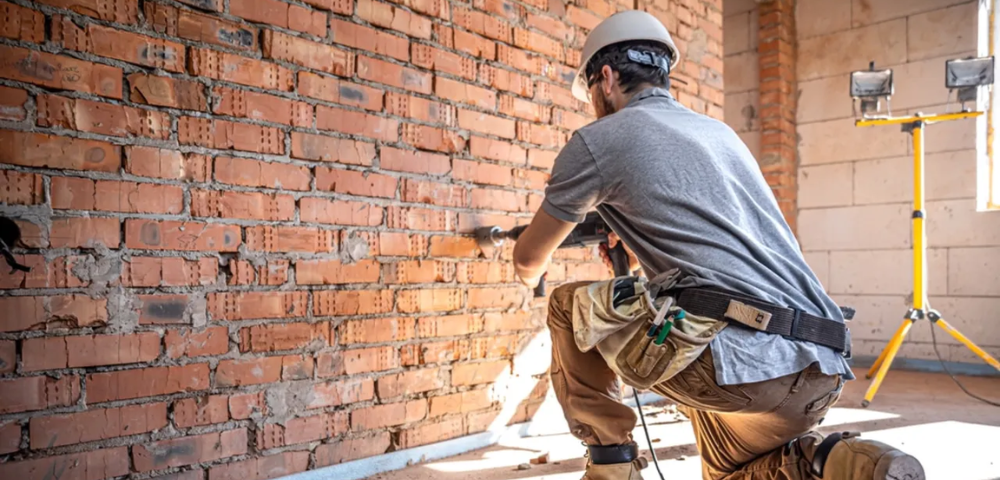
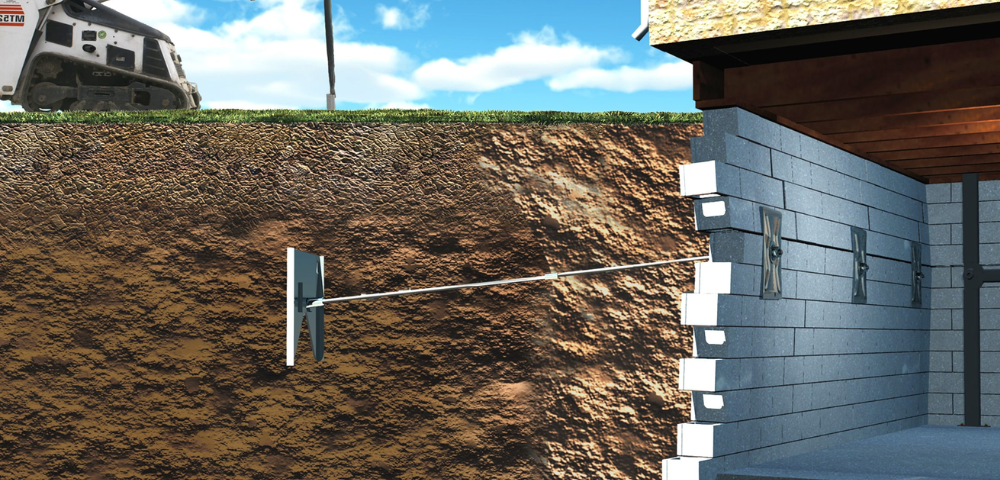
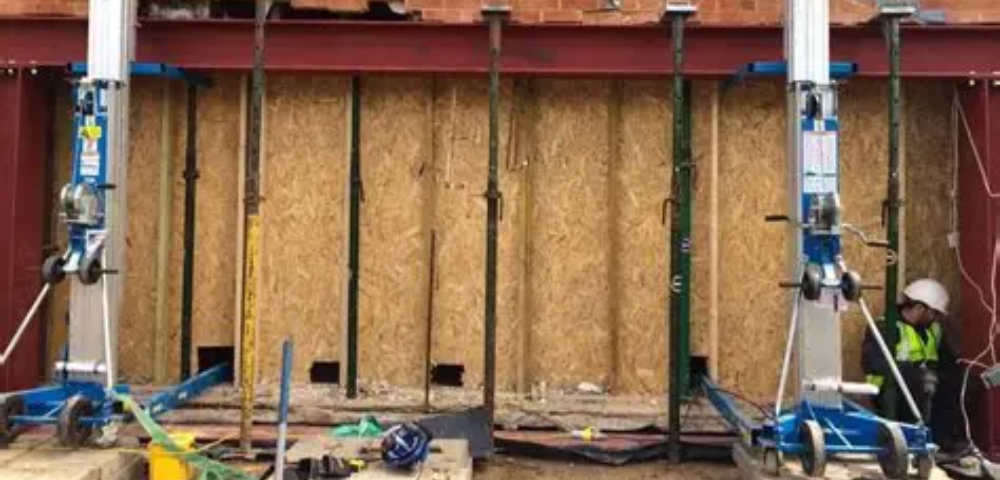
Several techniques are employed in earthquake retrofitting, each with its own cost implications. House bolting, a fundamental aspect of many seismic retrofits, involves securing the house frame to the foundation to prevent it from sliding off during an earthquake. The number of anchor bolts and the specific method used will affect the price. Other techniques, such as reinforcing cripple walls with plywood and lumber, or installing shear walls, are also common. The need for pier and post support to reinforce weakened areas of the foundation can also increase the total investment. A comprehensive seismic retrofit often combines several of these methods.
Material and Labor Expenses
The cost of materials is a direct component of any retrofit project. High-strength bolts, lumber, plywood, concrete, and specialized seismic hardware all contribute to the material expense. Beyond materials, labor costs are a substantial factor. Experienced contractors specializing in foundation repair and earthquake retrofitting command rates that reflect their expertise and the demanding nature of the work. The duration of the project, which is influenced by the complexity and scale of the retrofit, directly impacts the total labor cost. Accessibility issues, such as working in tight crawl spaces, can also increase labor time and, consequently, cost.
Additional Considerations: Permits and Specialized Services
Obtaining the necessary building permits is a standard requirement for most structural modifications, including earthquake retrofitting. Permit fees vary by local jurisdiction and add to the overall project cost. In some cases, specialized services might be necessary. For instance, if poor drainage is contributing to foundation issues, integrating drainage solutions as part of the retrofit can be beneficial but will incur additional expense. The geological conditions of your property, such as soil type and slope, may also necessitate specialized engineering assessments or more robust reinforcement techniques, influencing the final price.
Common questions
What is the average cost of an earthquake retrofit?
The cost of an earthquake retrofit can vary widely. While specific pricing is dependent on individual home assessments, factors such as the size of the home, the chosen retrofit methods, and the extent of any necessary foundation repair will determine the final investment.
Does house bolting significantly increase the cost of a seismic retrofit?
House bolting is a standard and essential component of many seismic retrofits. Its cost is generally integrated into the overall project estimate. The number of bolts required and the labor involved in their installation are factored into the total price.
How does foundation repair affect earthquake retrofit costs?
If your home requires foundation repair, such as underpinning or reinforcing with pier and post support, prior to or as part of the seismic retrofit, these additional structural improvements will increase the overall project cost. Addressing foundational weaknesses is critical for the effectiveness of any earthquake retrofitting.
Are there hidden costs in earthquake retrofitting?
Potential additional costs can arise from permit fees, specialized engineering assessments if required by local codes or site conditions, and necessary drainage solutions if they are identified as contributing factors to structural instability.