When you notice signs of foundation issues, a crucial question arises: is the investment in foundation repair truly worth it? Addressing problems early can prevent more extensive damage and costly repairs down the line. Understanding the long-term benefits, potential risks of inaction, and the various repair methods available can help you make an informed decision about protecting your property.
Key points
- Foundation repair is an investment in structural integrity and long-term property value.
- Delaying repairs can lead to more extensive damage and higher costs.
- Methods like underpinning and pier and post support can effectively stabilize foundations.
- Seismic retrofit and house bolting are crucial for safety in earthquake-prone areas.
- Proper drainage is essential for preventing foundation damage.
Assessing the Value of Foundation Repair
Foundation repair is more than just a fix for visible cracks; it’s an investment in the structural integrity and longevity of your entire property. Ignoring foundation problems can lead to a cascade of issues affecting walls, floors, roofs, and even plumbing. The cost of repair, while significant, often pales in comparison to the potential expenses of severe structural failure, diminished property value, or complete loss due to unaddressed issues. Moreover, a stable foundation is critical for safety, especially in areas prone to seismic activity where services like earthquake retrofitting and house bolting are essential.
Understanding the Risks of Delay
Delaying necessary foundation repair can exacerbate existing problems, turning minor issues into major structural defects. As soil conditions shift or water damage progresses, the foundation can continue to settle or heave. This movement can cause new cracks to appear, widen existing ones, and lead to more complex problems like sagging floors, sticking doors and windows, or even a compromised roofline. In regions susceptible to earthquakes, delaying seismic retrofit measures leaves a property vulnerable to catastrophic damage. Proactive repair is almost always more cost-effective than reactive, extensive reconstruction.
When Repair is a Sound Investment
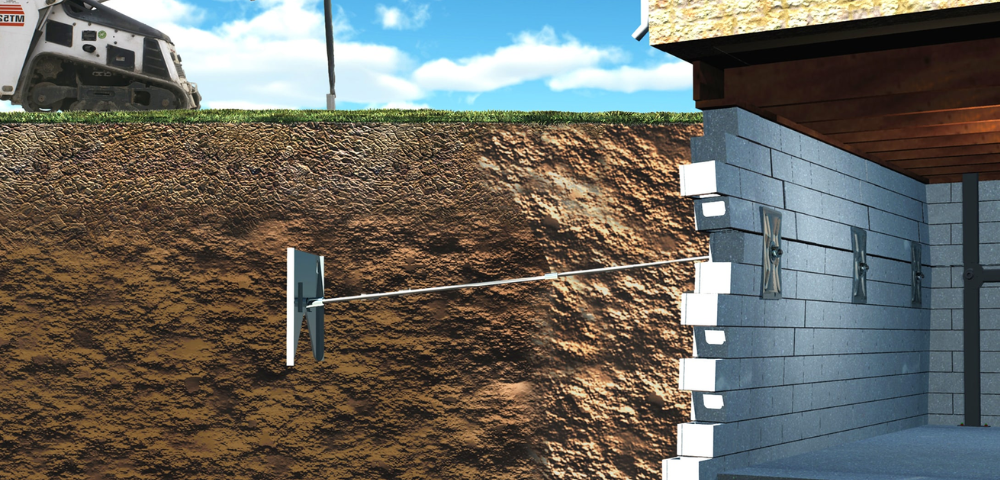
Foundation repair is a sound investment when the issues are localized and manageable. Common repair methods, such as underpinning, pier and post support, or sister foundations, are designed to stabilize and strengthen the existing structure. These solutions address specific points of failure, reinforcing the foundation’s ability to bear the load of the building. Effective drainage solutions are also vital, as water is a primary culprit in foundation damage. Investing in these repairs protects not only the physical structure but also the resale value of your home or business. A property with a sound foundation is a more secure and desirable asset.
Considering the Scope of Work
The decision to proceed with foundation repair often hinges on the scope and complexity of the required work. Minor settlement or cracking might be resolved with less invasive and costly methods. However, extensive damage, widespread settlement, or the need for significant structural reinforcement, such as in a comprehensive earthquake retrofit, will naturally involve a higher investment. Evaluating the repair options, understanding the techniques used by professionals, and obtaining detailed quotes are crucial steps. The long-term benefit of a stabilized structure, enhanced safety, and preserved property value generally justifies the expense for significant foundation issues.
Common questions
How do I know if foundation repair is worth the cost?
Foundation repair is generally worth the cost when the problems are addressed early, preventing more severe structural damage that would be far more expensive to fix. A stable foundation is key to the safety, value, and longevity of your property.
What are the long-term benefits of foundation repair?
The long-term benefits include preventing catastrophic structural failure, maintaining or increasing property value, ensuring the safety of occupants, and avoiding more extensive and costly repairs in the future.
When is foundation repair not worth it?
Foundation repair might not be considered worth it if the damage is so extensive that the cost of repair approaches or exceeds the property’s value, or if the underlying issues (like extreme soil instability) cannot be adequately mitigated by standard repair methods.
What are common repair methods that add value?
Common methods like underpinning, pier and post support, sister foundations, and effective drainage solutions all add value by stabilizing and strengthening the structure, preventing future damage.