Southern California has experienced periods of intense heat and drought. These conditions can significantly affect the ground beneath your home, potentially leading to foundation problems. Understanding how soil changes impact your foundation is crucial for homeowners in Los Angeles.
The Impact of Drought on Los Angeles Soil
Record-breaking heat and prolonged drought, like those experienced in Southern California, can cause significant changes in soil moisture. When the soil dries out, it shrinks. This shrinking creates gaps and can lead to a loss of support for the ground. In areas like Los Angeles, where soil composition can vary, this effect can be pronounced. Clay soils, in particular, are known for their tendency to expand when wet and contract severely when dry. This cyclical shrinking and swelling puts stress on anything built upon it, including your home's foundation.
How Soil Movement Affects Foundations
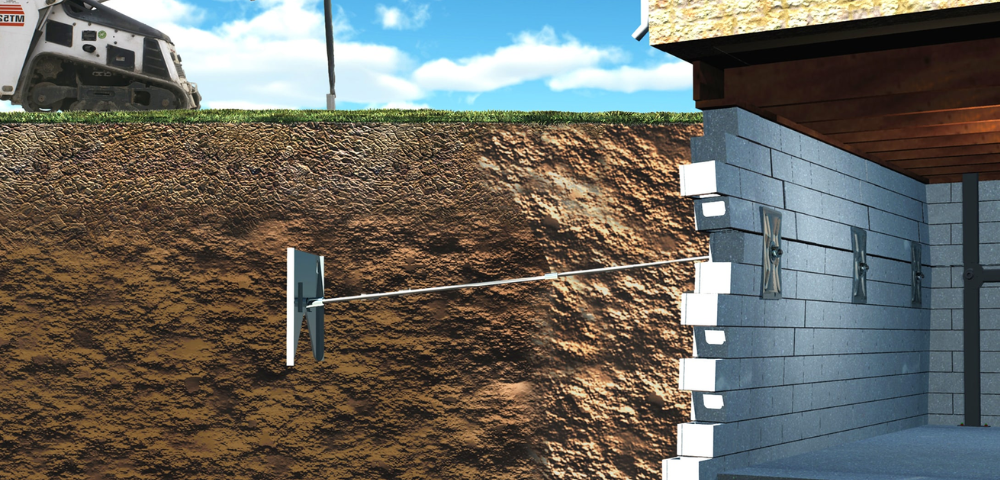
Foundations are designed to rest on stable ground. When the soil beneath a foundation loses moisture and shrinks, it can no longer provide uniform support. This uneven settlement causes parts of the foundation to sink or shift more than others. The weight of the house then begins to bear down on these compromised areas. This differential movement can create significant stress within the foundation structure itself, and subsequently, throughout the entire house. Over time, this can manifest as visible damage.
Early Warning Signs of Foundation Issues
Paying attention to your home's structure can help identify potential foundation problems early. Look for hairline cracks in interior walls or exterior brickwork. Sticking doors or windows that were once easy to open and close can also be an indicator of shifting. Gaps appearing between walls and ceilings, or floors that feel uneven or sloped, warrant closer inspection. If you notice your foundation walls bowing inward or outward, this is a more serious sign that requires immediate professional assessment. These are often the first visual cues that the ground beneath your home has moved.
Addressing Foundation Concerns in Los Angeles
If you suspect your home's foundation is affected by soil movement, seeking professional advice is essential. Services like foundation repair can address existing damage. For homes in seismically active areas like Los Angeles, earthquake retrofitting or seismic retrofit measures are often recommended to strengthen the structure against ground motion. Techniques such as underpinning or pier and post support might be employed to reinforce the foundation. Proper drainage solutions and waterproofing around your home are also vital to manage soil moisture levels and prevent future expansion and contraction cycles. For significant structural issues, methods like sister foundations can be used to stabilize the existing one.
Key takeaways
- Extreme weather, including drought and high temperatures, can cause soil to shrink and impact home foundations.
- Uneven soil settlement puts stress on a foundation, potentially leading to structural damage.
- Early warning signs include cracks in walls, sticking doors/windows, and uneven floors.
- Professional assessment is crucial if foundation issues are suspected.
- Solutions range from foundation repair and underpinning to seismic retrofitting and improved drainage.
Frequently asked questions
What causes foundation problems in Los Angeles?
Foundation problems in Los Angeles are often caused by changes in soil moisture, particularly due to drought and extreme heat, which lead to soil shrinking and subsequent foundation settlement. Seismic activity also plays a role in stressing foundations.
What are the first signs of foundation damage?
The first signs of foundation damage typically include hairline cracks in walls, doors or windows that stick, visible gaps near ceilings, or uneven flooring.
Should I worry about drought affecting my home's foundation?
Yes, prolonged drought can cause the soil around and under your foundation to shrink, potentially leading to settlement and structural issues. This is a common concern for homeowners in dry climates like Southern California.
What is earthquake retrofitting?
Earthquake retrofitting, also known as seismic retrofit, involves strengthening a home's foundation and structure to better withstand the forces of an earthquake, often by bolting the house to its foundation and reinforcing critical areas.