Recent weather patterns, including extended periods of heavy rainfall, can significantly impact the ground beneath your Los Angeles home. Understanding how these conditions affect your foundation is crucial for protecting your property. This guide explains the connection between soil moisture and foundation integrity, and highlights the early indicators that suggest a need for attention.
How Water Affects Foundation Stability
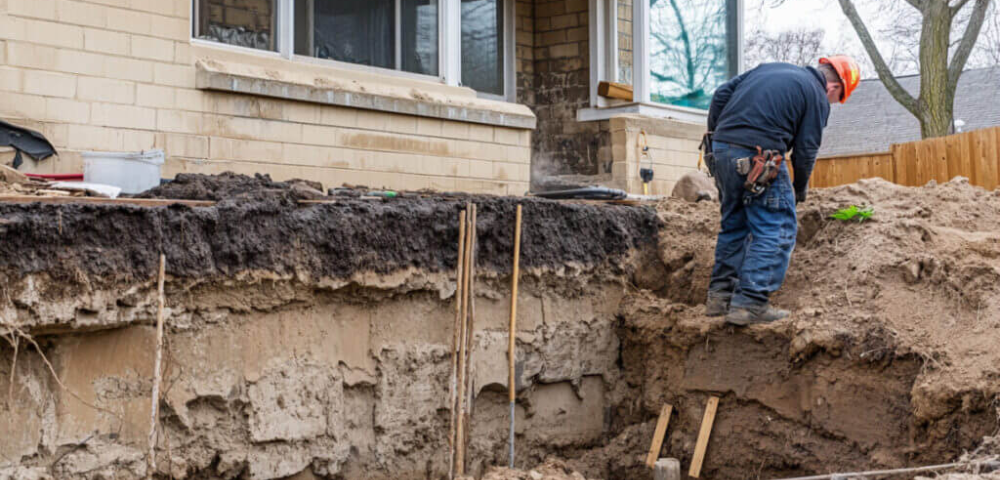
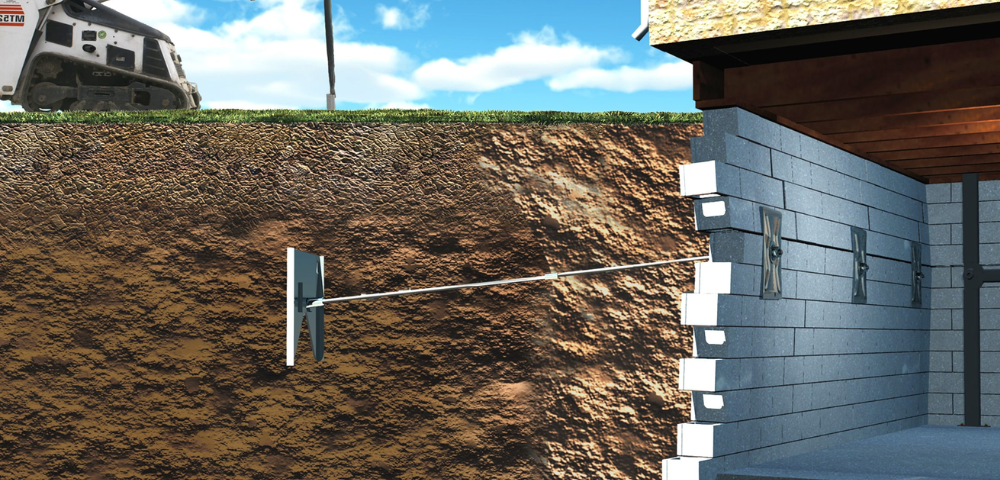
When the ground around your home becomes saturated with water, it can lead to serious issues for your foundation. Soil expands when it absorbs a large amount of water. This expansion exerts outward pressure on foundation walls, potentially causing them to crack or bow inward. Conversely, when the soil dries out, it shrinks. This can create gaps between the soil and the foundation, leading to a loss of support. In areas prone to prolonged wet periods, like those sometimes experienced in Southern California, these cycles of expansion and contraction can weaken the foundation structure over time. Consistent moisture also creates an environment where hydrostatic pressure can build up, pushing against basement walls and slabs. Addressing drainage solutions early can prevent these damaging cycles from impacting your home.
The Role of Soil Types in Los Angeles
Los Angeles is built on a variety of soil types, many of which are highly reactive to moisture changes. Expansive soils, common in the region, are particularly problematic. These soils contain clay minerals that swell significantly when wet and shrink dramatically when dry. This constant movement places considerable stress on foundations. Homes built on slopes or in areas with poor natural drainage are especially vulnerable to these effects. Proper grading and drainage systems are essential to manage water flow away from the foundation. Without adequate management, even seemingly minor changes in rainfall can lead to substantial ground movement that compromises structural integrity, underscoring the need for vigilant foundation repair and inspection.
Early Warning Signs of Foundation Problems
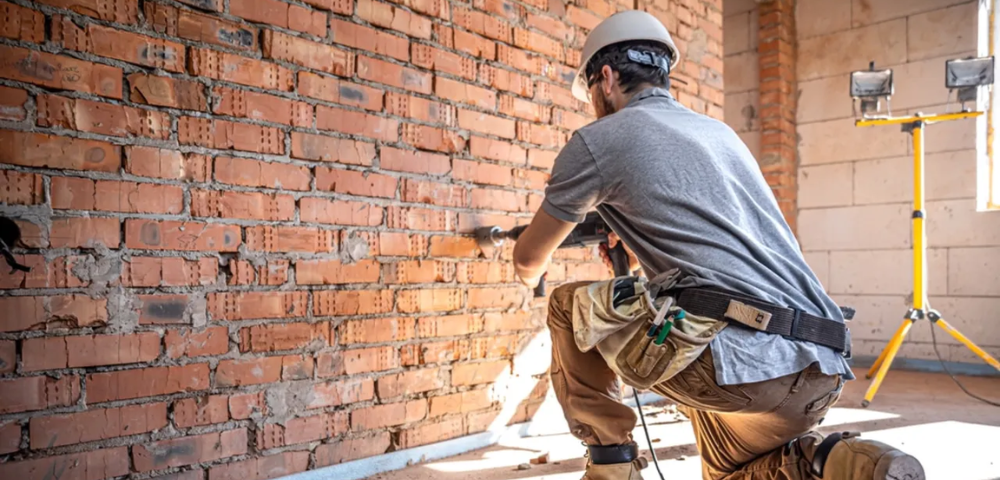
Observing your home for subtle changes can alert you to potential foundation issues before they become severe. Look for cracks in interior or exterior walls, especially those that widen as they move towards the ceiling or floor. Sticking doors or windows that no longer close properly are another common indicator, suggesting the frame is no longer square due to foundation shifts. Gaps appearing between walls and the ceiling or floor, or visible cracks in the foundation itself, warrant immediate attention. If you notice uneven floors or signs of water intrusion in basements or crawl spaces, these too can be early warnings. For homes in seismic zones, considering seismic retrofit or earthquake retrofitting is also a critical part of long-term foundation health, often involving techniques like house bolting and ensuring the foundation is sound.
Preventative Measures and Professional Solutions
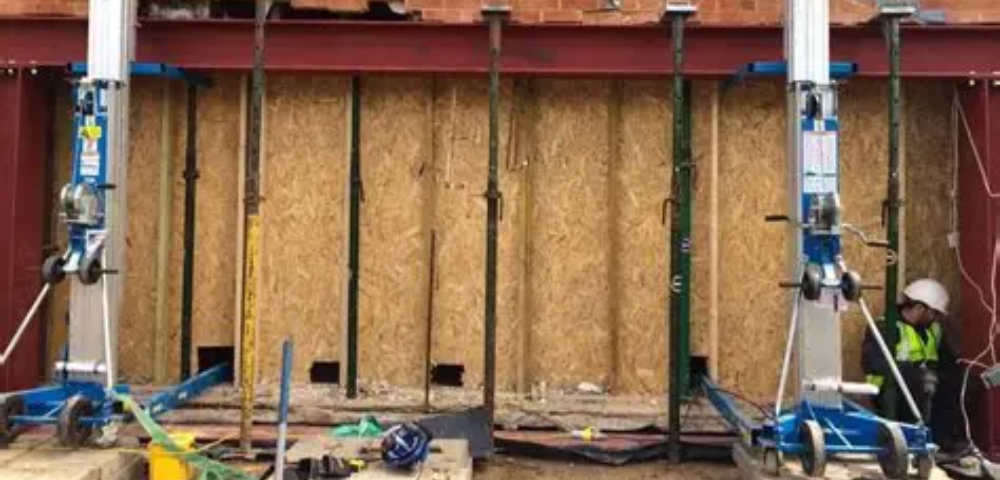
Protecting your foundation involves both regular maintenance and professional intervention when needed. Ensure your property's grading directs water away from the foundation. Keep gutters and downspouts clear and ensure they channel water far from the house. For persistent moisture issues, installing robust drainage solutions, such as French drains, can be highly effective. Waterproofing the foundation walls can also prevent water penetration. When signs of foundation damage appear, seeking professional help is essential. Services like underpinning, pier and post support, or sister foundations can stabilize and strengthen a compromised structure. Expert assessment can determine the best course of action, whether it involves minor repairs or more extensive structural reinforcement, ensuring your home remains safe and secure against soil movement and seismic activity.
Key takeaways
- Soil expansion and contraction due to water content changes are primary causes of foundation stress.
- Expansive clay soils common in Los Angeles are highly sensitive to moisture variations.
- Early signs of foundation damage include wall cracks, sticking doors/windows, and uneven floors.
- Proper drainage and waterproofing are critical preventative measures for foundation health.
- Professional foundation repair services are available for stabilization and structural reinforcement.
Frequently asked questions
How does heavy rain affect a home's foundation?
Heavy rain can saturate the soil around your foundation. This causes the soil to expand, exerting outward pressure on foundation walls. When the soil eventually dries, it shrinks, potentially creating gaps and reducing support. These cycles of expansion and contraction can weaken the foundation over time.
What are the first signs of foundation damage caused by soil movement?
Early indicators include cracks in walls (especially near ceilings or floors), doors and windows that stick or don't close properly, uneven floors, and visible gaps between walls and the ceiling or floor. You might also notice cracks in the foundation itself or signs of water in lower levels.
Are Los Angeles homes particularly at risk from soil and water changes?
Yes, Los Angeles has diverse soil types, including expansive clays that react significantly to moisture. Homes in this region can be more vulnerable to foundation damage due to the soil's tendency to swell when wet and shrink when dry, especially during periods of heavy rainfall or drought.
What can be done to protect a foundation from water-related issues?
Key protective measures include ensuring proper grading to direct water away from the foundation, maintaining clear gutters and downspouts, and installing effective drainage solutions like French drains. Foundation waterproofing can also prevent water intrusion.