Los Angeles is a region where seismic activity is a reality, making earthquake preparedness a priority for homeowners. A key aspect of this preparedness is a seismic retrofit, a process designed to strengthen your home’s foundation and structure against earthquake forces. When the time comes to undertake such a critical project, choosing the right provider is paramount. This decision impacts not only the effectiveness of the retrofit but also your peace of mind.
Key points
- Prioritize providers with specific experience in earthquake retrofitting and house bolting.
- Verify contractor licensing, insurance, and check client references.
- Ensure a detailed proposal outlining scope, materials, and costs is provided.
- Look for clear communication and a solid warranty on the work performed.
- A seismic retrofit strengthens your home’s ability to withstand earthquake forces.
Understanding the Scope of Seismic Retrofitting
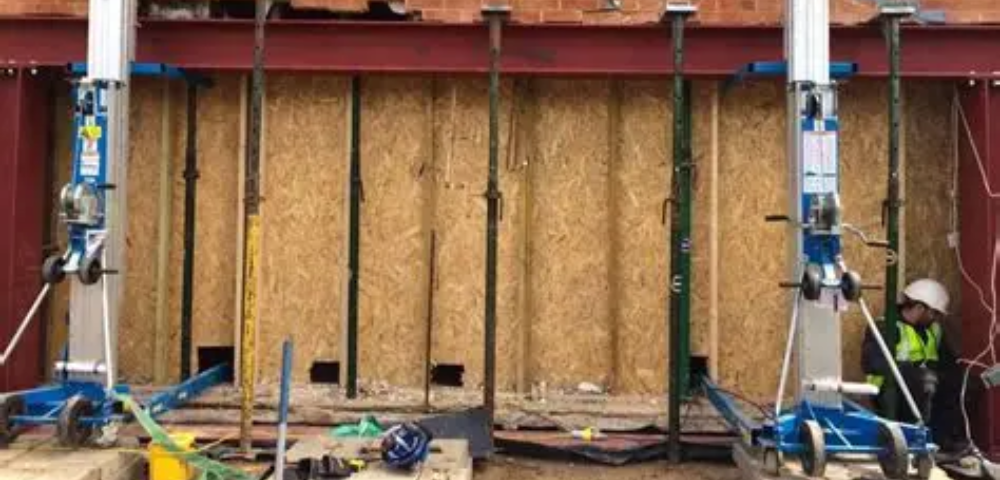
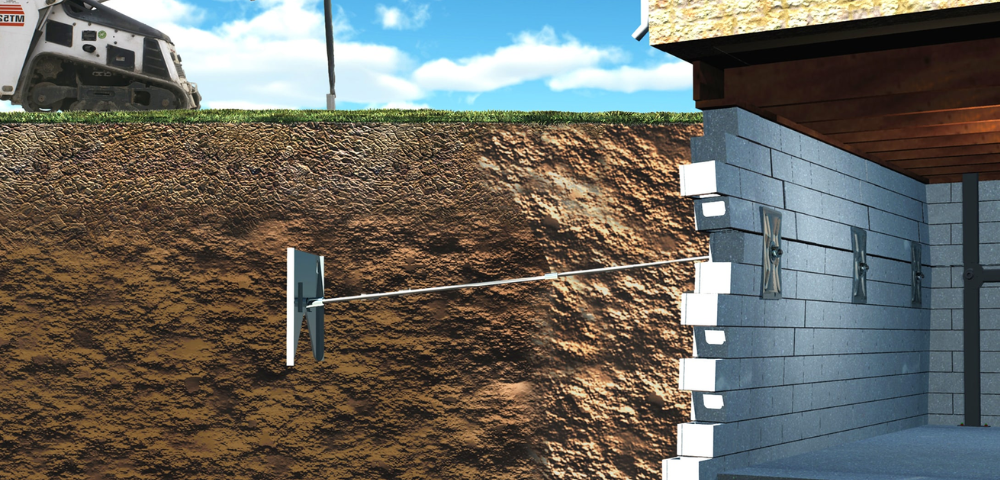
An earthquake retrofit, often involving house bolting and other structural reinforcements, aims to prevent catastrophic damage during seismic events. This typically includes securing the foundation to the sill plate of the house, bracing cripple walls, and sometimes incorporating other foundation repair techniques like underpinning or pier and post support where necessary. A comprehensive approach ensures that the entire structure, from the ground up, is better equipped to withstand the stresses of an earthquake. Services may also address related issues such as drainage solutions to protect the foundation from water damage, which can be exacerbated by seismic shifts.
Experience and Specialization Matter
When looking for a provider for your seismic retrofit, prioritize contractors with a proven track record specifically in earthquake retrofitting and foundation repair. They should be able to demonstrate extensive experience with projects similar to yours. Ask about their familiarity with local building codes and seismic requirements in Los Angeles. A specialist understands the nuances of different foundation types and common structural weaknesses in older homes prevalent in the area. This expertise ensures that the chosen methods, whether it’s house bolting, sister foundations, or other techniques, are appropriate and effective for your specific property.
Licensing, Insurance, and Reputation
Verify that any prospective contractor holds the necessary licenses and insurance. This protects you as a homeowner from liability in case of accidents on your property and ensures the work meets professional standards. Look for a company with a strong reputation within the Los Angeles community. Online reviews, testimonials, and references from past clients can provide valuable insights into their reliability, quality of work, and customer service. A reputable provider will be transparent about their credentials and happy to share proof of insurance and licensing.
The Importance of a Detailed Proposal
A thorough proposal is a critical document when evaluating retrofit providers. It should clearly outline the scope of work, including all materials to be used, the specific techniques that will be employed (e.g., the number and type of anchor bolts, brace installations), and a detailed breakdown of costs. Any reputable contractor will conduct a comprehensive assessment of your home before providing a quote. Be wary of providers who offer estimates without a site visit or a detailed inspection. The proposal should also include a projected timeline for the project’s completion.
Communication and Warranty
Effective communication is key throughout the entire process. Your chosen provider should be responsive to your questions and concerns, explaining complex aspects of the retrofit in an understandable way. They should keep you informed about the project’s progress. Furthermore, inquire about the warranty offered on their work and any materials used. A solid warranty provides a level of assurance that the contractor stands behind the quality of their seismic retrofit. Understanding the warranty’s terms and duration is essential before making a final decision.
Common questions
What is an earthquake retrofit?
An earthquake retrofit is a process of strengthening your home’s foundation and structure to better withstand the forces generated during an earthquake. This often involves securing the house to its foundation, bracing critical structural elements, and addressing potential weak points.
What are the signs my home might need a seismic retrofit?
Signs can include visible foundation cracks, a home that appears to shift or lean, or if your house has a raised foundation with short cripple walls that are not properly braced. Older homes built before modern seismic codes are also prime candidates for retrofitting.
How long does an earthquake retrofit project typically take?
The duration of an earthquake retrofit project can vary depending on the size and complexity of your home, as well as the specific work required. Simple house bolting might take a few days, while more extensive structural reinforcements could take several weeks.
What is house bolting?
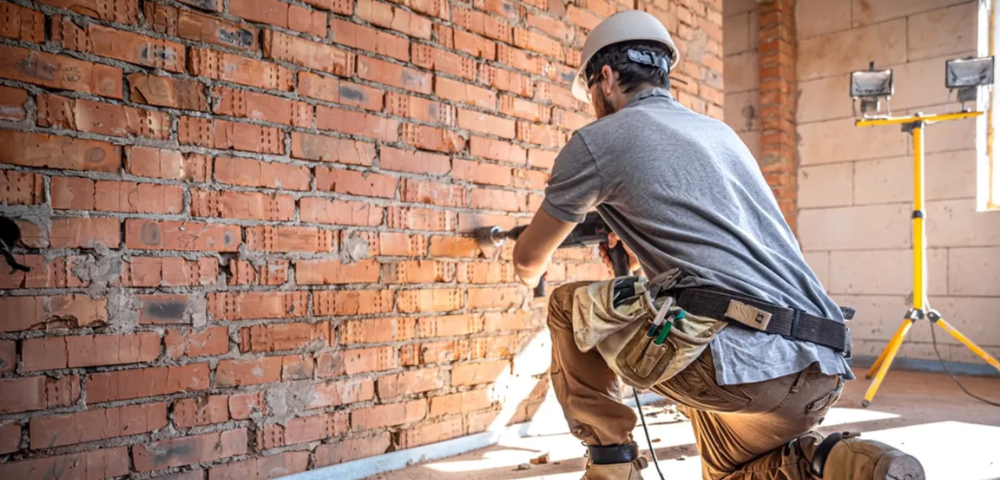
House bolting is a specific technique used in earthquake retrofitting where anchor bolts are used to connect the wooden sill plate (the lowest horizontal beam of the house’s frame) to the concrete foundation. This prevents the house from sliding off its foundation during an earthquake.
Should I consider underpinning or pier and post support as part of a retrofit?
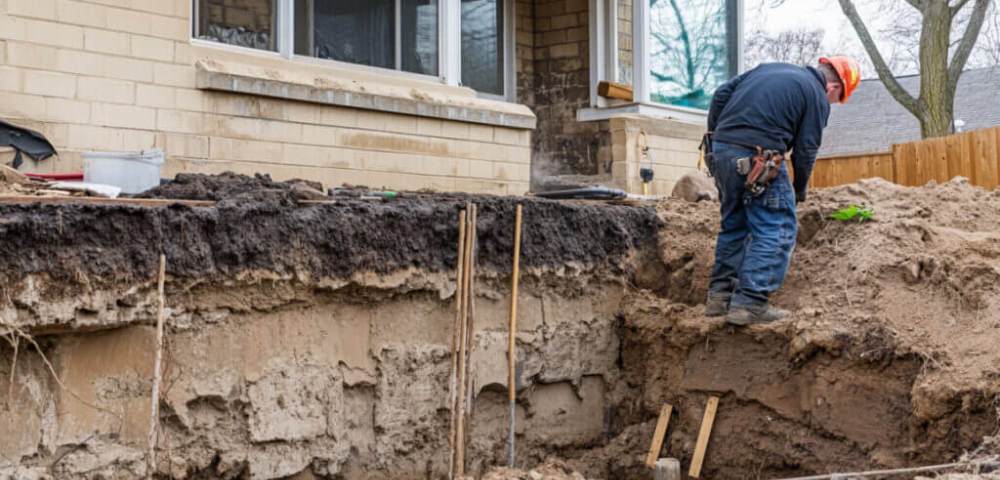
Underpinning or pier and post support may be considered if the foundation itself is unstable or settling, in addition to seismic retrofitting. These methods can strengthen or stabilize the foundation, providing a more robust base before seismic reinforcements are applied.