Homes built before modern seismic building codes may be vulnerable to earthquake damage. An earthquake retrofit, often involving house bolting and reinforcing the foundation, can significantly improve a structure’s resilience. Deciding if this investment is worthwhile involves considering several key factors beyond just the potential for seismic activity.
Key points
- Identify structural vulnerabilities like unbraced cripple walls.
- Assess foundation type and condition; consider underpinning or pier and post support if needed.
- Improve drainage solutions to protect the foundation from soil and water stress.
- Recognize that seismic retrofitting protects property value and offers peace of mind.
- House bolting is a critical step in connecting the home’s frame to its foundation.
Assessing Structural Vulnerability
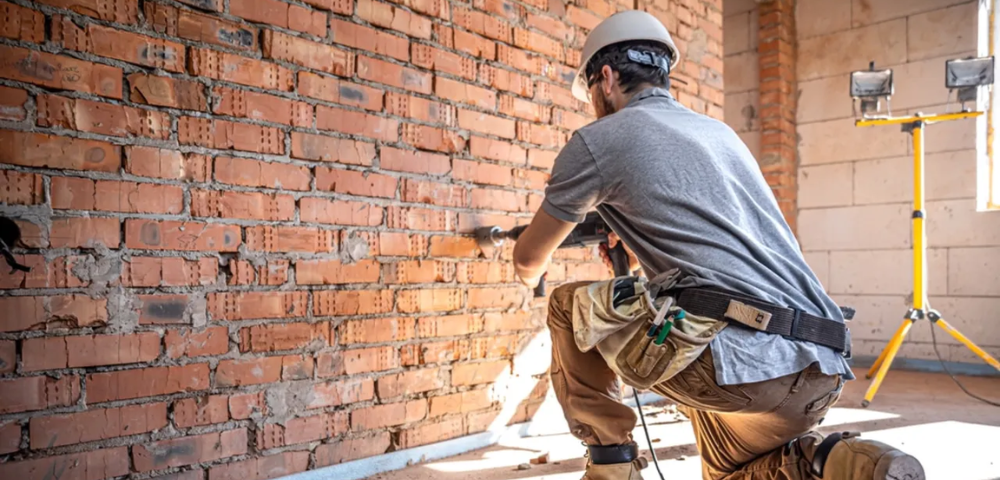
The primary driver for considering a seismic retrofit is the potential for structural failure during an earthquake. Older homes, particularly those with cripple walls (short studs between the foundation and the first floor) or unbraced foundations, are at higher risk. House bolting, the process of securing the home’s frame to its foundation, is a fundamental step in preventing the structure from sliding off its base during shaking. Without proper bracing and bolting, even moderate seismic events can cause catastrophic damage, rendering the home unsafe and significantly reducing its value. A thorough inspection by a foundation repair specialist can identify these vulnerabilities.
The Role of Foundation Type and Condition
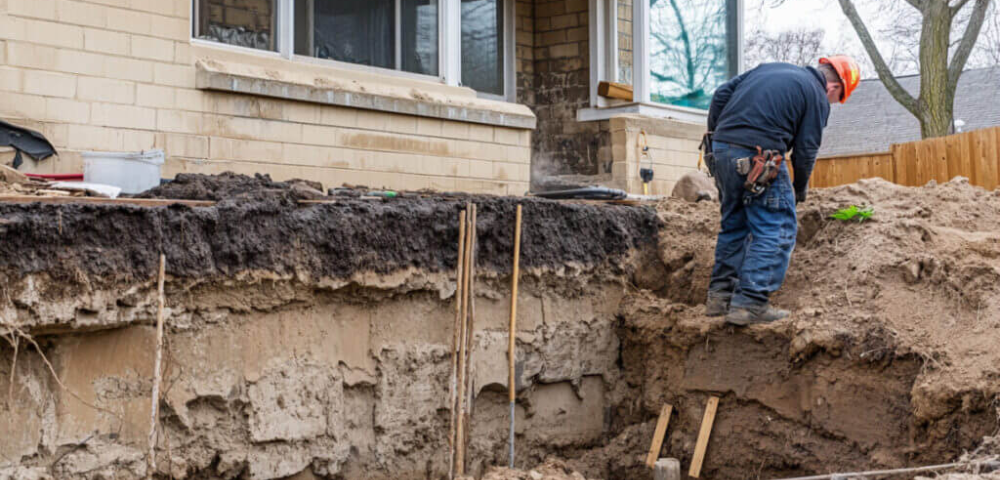
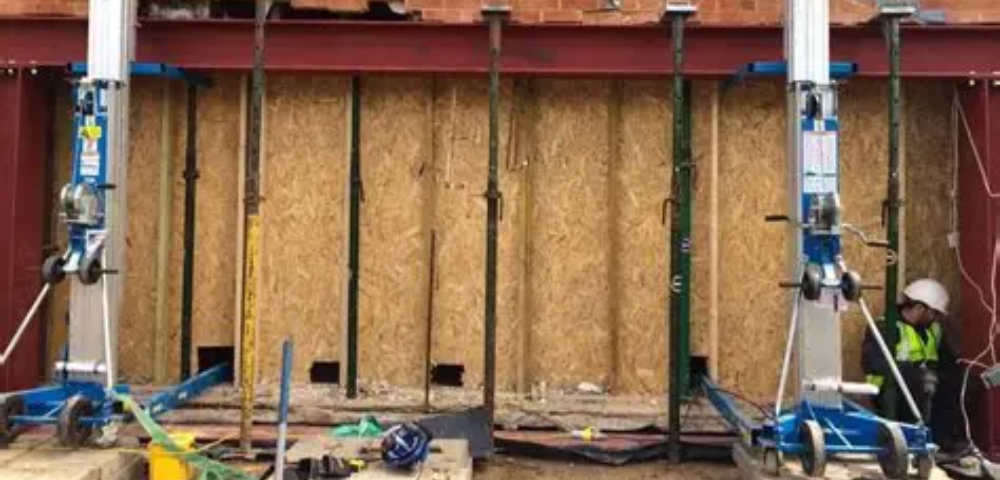
The type of foundation your home has plays a crucial role in its seismic performance. Homes with concrete slab foundations may have different retrofitting needs compared to those with raised foundations supported by piers and posts or stem walls. For homes with raised foundations, especially those with cripple walls, reinforcing these areas is paramount. This can involve adding shear walls or bracing. If the existing foundation itself is showing signs of distress, such as cracking or settling, underpinning or sister foundations might be necessary before or in conjunction with seismic upgrades. Addressing underlying foundation issues through methods like pier and post support can create a more stable base for the entire structure.
Mitigating Secondary Risks: Water and Soil
While earthquakes are the primary concern for retrofitting, the underlying conditions that affect foundation stability can also be influenced by water and soil. Poor drainage around a foundation can lead to soil expansion and contraction, putting stress on the structure over time. Addressing drainage solutions is often a complementary step that enhances overall foundation health and can work in tandem with seismic retrofitting. A stable foundation, free from the damaging effects of water intrusion and soil movement, provides a better platform to withstand seismic forces. Even if your area is not prone to frequent earthquakes, maintaining good drainage and foundation integrity is a sound investment in property protection.
Long-Term Value and Peace of Mind
Beyond immediate safety, an earthquake retrofit can be a wise financial decision. It can protect your property investment from significant damage, potentially saving substantial costs in repairs after an event. Many insurance providers may offer discounts for retrofitted homes. Furthermore, the peace of mind that comes from knowing your home is better prepared for seismic activity is invaluable, especially for families living in earthquake-prone regions. This proactive measure safeguards not only the physical structure but also the occupants within.
Common questions
What is an earthquake retrofit?
An earthquake retrofit is a process of strengthening a home to better withstand seismic forces, typically involving methods like house bolting to secure the structure to its foundation and reinforcing walls.
When should I consider an earthquake retrofit?
You should consider an earthquake retrofit if your home was built before modern seismic codes, has a raised foundation with cripple walls, or if you live in an area with a significant risk of earthquakes.
Does an earthquake retrofit add value to my home?
Yes, an earthquake retrofit can increase your home’s value by making it safer, more resilient, and potentially more attractive to future buyers or insurance companies.
What is house bolting?
House bolting is a key component of seismic retrofitting where anchor bolts are used to connect the wooden framing of a house to its concrete foundation, preventing the house from sliding off during an earthquake.