Recent weather patterns, including prolonged dry spells followed by heavy rainfall, have highlighted the impact of soil and water fluctuations on structures. In Los Angeles, understanding how these conditions affect your home's foundation is crucial for long-term stability and safety. This guide explains the connection between ground movement and foundation issues, and what signs to look for.
The Science of Soil Movement and Foundation Strain
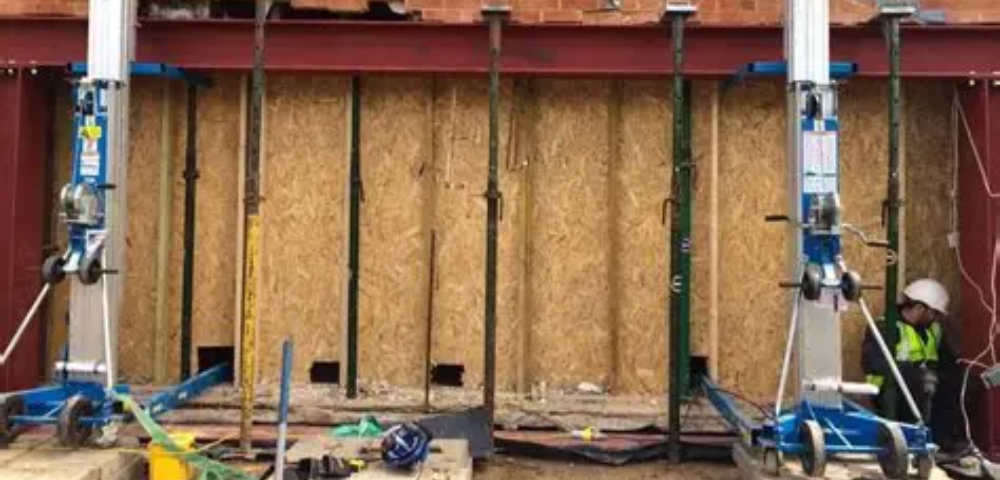
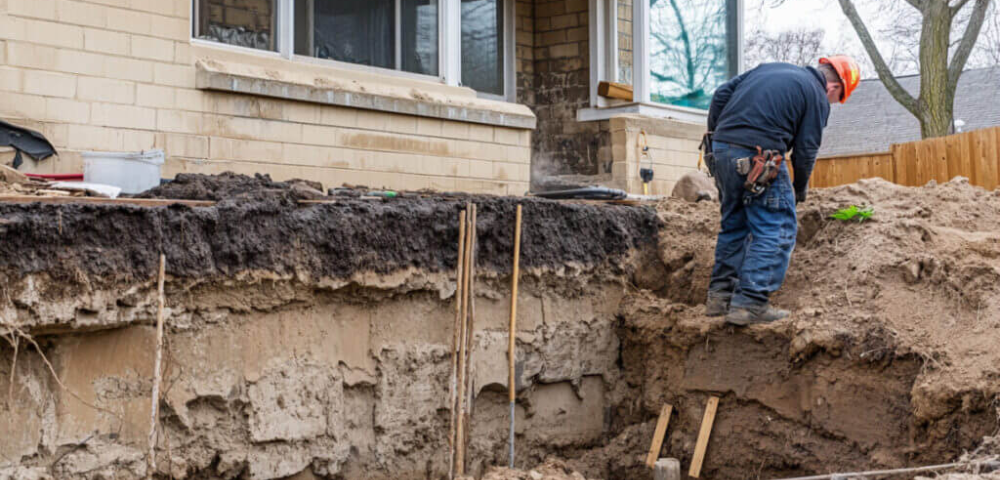
Foundations are built to support a home, but they rely on stable ground. Soil is the primary element beneath any structure. When soil absorbs water, it expands. Conversely, when it dries out, it shrinks. This constant cycle of expansion and contraction, particularly pronounced during periods of drought followed by rain, creates immense pressure. In Los Angeles, where varied soil types exist, this can lead to significant ground movement. Expansive soils, common in some areas, are particularly prone to volume changes. As the soil expands, it can push upwards against the foundation, a process known as heaving. When the soil dries and shrinks, it can pull away from the foundation, creating voids and allowing the structure to settle unevenly. This differential settlement is a primary cause of foundation damage. The constant stress from soil expansion and contraction can lead to cracks in the foundation walls and slabs, compromising the home's structural integrity. Even moderate soil movement, if persistent, can cause cumulative damage over time, affecting everything from doors and windows that no longer close properly to more serious structural compromises. Addressing these issues proactively can prevent more extensive and costly repairs down the line, potentially involving underpinning or pier and post support systems to stabilize the foundation.
Early Indicators of Foundation Problems
Recognizing the early signs of foundation distress is key to mitigating damage. Often, the first indicators are subtle and may be mistaken for normal wear and tear. Look for cracks in interior or exterior walls, particularly around door and window frames. These cracks can be small and hairline at first, but they often widen as the underlying issue progresses. Sticking doors and windows that have become difficult to open or close are another common symptom, as the frame or surrounding walls may have shifted. You might also notice uneven floors, with some areas appearing to sag or slope. Visible cracks in the foundation itself, whether in the basement walls or on the concrete slab, are a more direct sign that immediate attention is needed. Water pooling around the foundation after rain can indicate drainage issues that exacerbate soil movement. If you observe any of these signs, it's advisable to consult with a professional specializing in foundation repair. They can assess the extent of the problem and recommend appropriate solutions, which might include drainage solutions, waterproofing measures, or more extensive structural interventions like house bolting or seismic retrofit work to ensure your home is prepared for seismic activity.
The Role of Water Management and Seismic Preparedness
Effective water management is fundamental to protecting your foundation. Proper grading around your home should direct rainwater away from the foundation. Installing or maintaining a robust drainage system, including French drains or proper gutter and downspout extensions, can prevent excess water from saturating the soil near your home. Waterproofing the foundation walls can also create a barrier against moisture intrusion. In Los Angeles, where seismic activity is a known risk, foundations must also be prepared for earthquakes. Earthquake retrofit measures, such as house bolting, connect the foundation to the home's cripple walls, preventing the structure from sliding off its foundation during seismic events. This process, often part of a seismic retrofit, significantly enhances a home's resilience. A foundation expert can evaluate your home's current condition and recommend a comprehensive approach that addresses both soil-related moisture issues and seismic vulnerabilities, potentially involving sister foundations or other reinforcement techniques to ensure long-term stability.
Key takeaways
- Soil expansion and contraction due to moisture changes is a primary driver of foundation issues in Los Angeles.
- Look for cracks in walls, sticking doors/windows, and uneven floors as early warning signs of foundation distress.
- Proper drainage and waterproofing are essential for managing soil moisture around your foundation.
- Seismic retrofit measures like house bolting are vital for protecting Los Angeles homes from earthquake damage.
Frequently asked questions
What causes foundation problems in Los Angeles?
Foundation problems in Los Angeles are often caused by the natural expansion and contraction of soil due to changes in moisture content, a process exacerbated by drought and subsequent heavy rains. This soil movement can put stress on a home's foundation.
What are the first signs I should look for that indicate foundation issues?
The first signs to look for include cracks in walls or around doors and windows, doors and windows that stick, uneven floors, and visible cracks in the foundation itself. Water pooling near the foundation can also be an early indicator.
How can I protect my foundation from soil movement?
You can protect your foundation by ensuring proper grading and installing effective drainage solutions to manage water around your home. Waterproofing the foundation walls also helps prevent moisture from affecting the soil.
Is earthquake retrofitting important for my Los Angeles home's foundation?
Yes, earthquake retrofitting, such as house bolting, is crucial for Los Angeles homes as it strengthens the connection between the foundation and the house, significantly improving resilience during seismic events.
Sources
- Coastal flooding forecast at Hooper Bay as Bering Sea storms continue, Alaska – The Watchers – Watching the world evolve and transform