When considering a seismic retrofit for your property, understanding the specific techniques employed is crucial. These methods aim to improve your home’s resilience during seismic events, protecting its structural integrity. While the goal is universal—to make a building safer—the actual work can involve a variety of specialized approaches tailored to the existing structure and soil conditions.
Key points
- Seismic retrofitting strengthens a home’s connection to its foundation and reinforces the foundation itself.
- House bolting is a primary method for anchoring the structure to the foundation.
- Underpinning and pier and post support systems enhance foundation stability and load transfer.
- Reinforcing or creating shear walls is essential for resisting lateral earthquake forces.
- Proper drainage solutions contribute to soil stability, which is crucial for foundation integrity.
The Role of Foundation Reinforcement
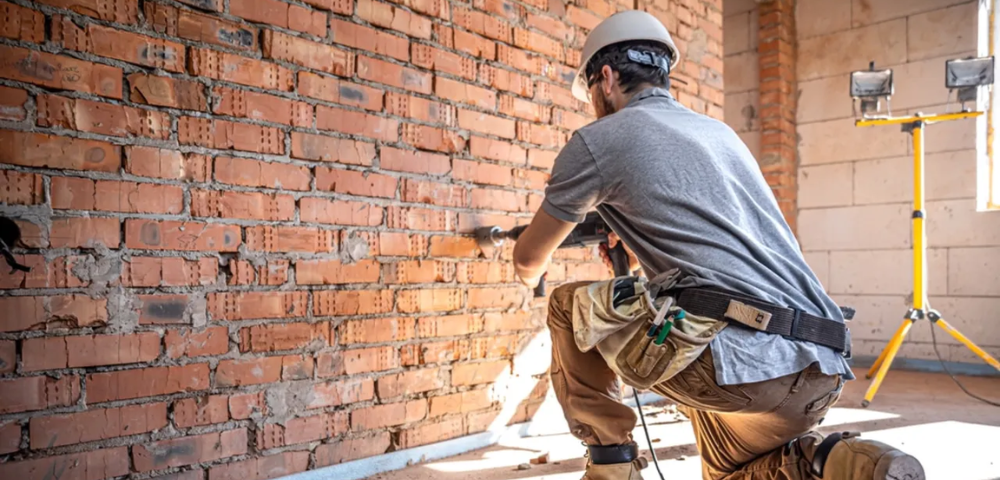
A seismic retrofit primarily focuses on strengthening the connection between your house and its foundation, as well as reinforcing the foundation itself. This is vital because during an earthquake, the ground can move independently from the structure. Without proper reinforcement, the house can slide off its foundation, or the foundation itself can crack or collapse. Key elements often involve ensuring the house is securely anchored to the foundation. This is commonly achieved through a process known as house bolting, which uses specialized bolts to connect the sill plate (the lowest wooden beam of the house) to the concrete foundation.
Advanced Foundation Strengthening Techniques
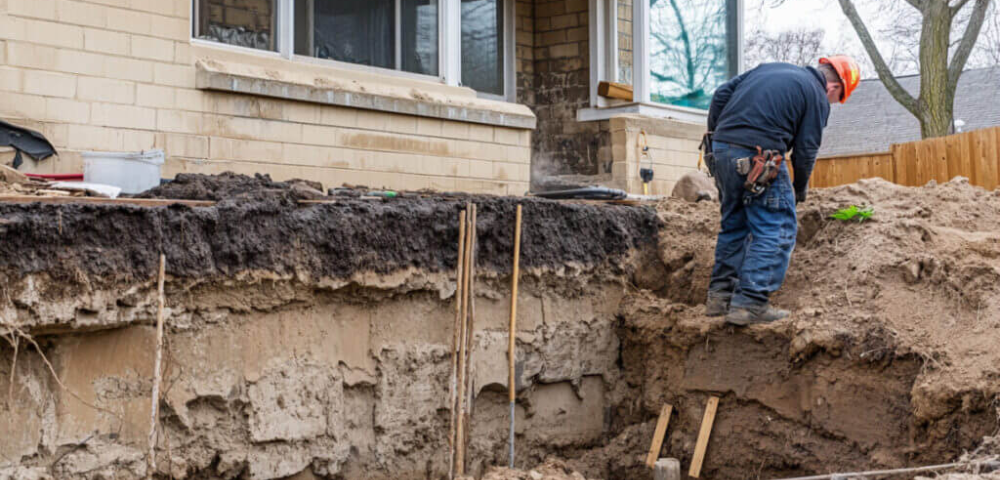
Beyond basic anchoring, more significant structural reinforcement may be necessary. Underpinning is a technique used to strengthen or deepen an existing foundation. This can involve excavating beneath the current foundation and installing new supports, such as concrete piers or piles, to transfer the load to more stable soil layers below. Another method involves installing pier and post support systems. These are vertical supports that can be strategically placed to transfer the building’s load to the ground, effectively bypassing weaker soil conditions or areas of foundation distress. In situations where foundation walls have bowed or cracked, techniques like sister foundations can be employed. This involves creating a new, reinforced wall adjacent to the damaged one, effectively reinforcing and supporting the original structure. The objective is always to enhance the load-bearing capacity and stability of the foundation system.
Addressing Lateral Forces and Shear Walls
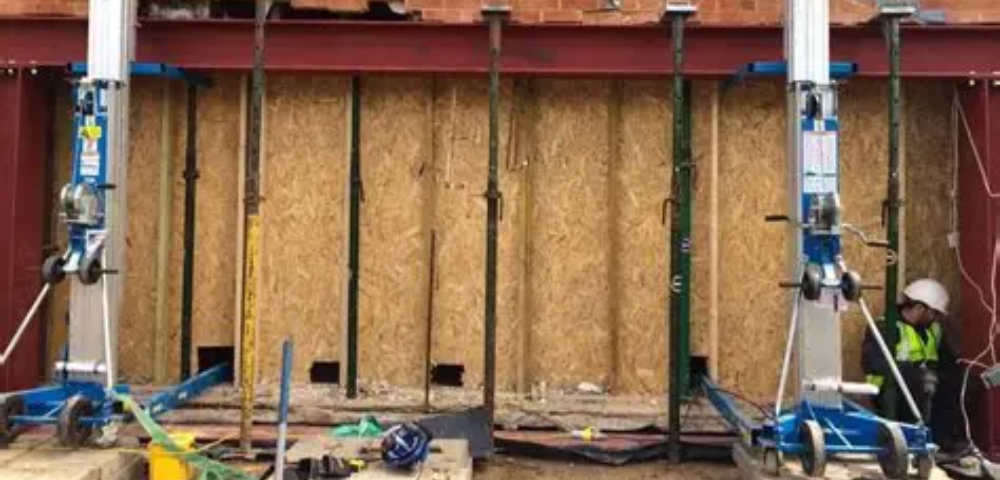
Earthquakes exert significant lateral, or side-to-side, forces on a structure. Standard wood-frame construction can be particularly vulnerable to these forces, especially at the foundation level. To combat this, seismic retrofits often involve reinforcing or creating shear walls. These are walls designed to resist lateral forces. They are typically constructed with structural sheathing, like plywood, securely fastened to studs and then anchored to the foundation. The plywood sheathing, when properly attached, works in conjunction with the framing to distribute the seismic forces across the wall, preventing it from racking or collapsing. The connection points between the sheathing, the framing, and the foundation are critical for the effectiveness of these shear elements.
The Importance of Drainage and Soil Stability
While not directly a seismic retrofitting technique, effective drainage solutions are often an integral part of comprehensive foundation repair and seismic preparation. Poor drainage can lead to soil saturation, which can increase pressure on foundation walls and weaken the soil beneath the foundation. In seismic zones, unstable or water-saturated soil can exacerbate earthquake damage. Implementing proper grading, French drains, or sump pumps can help manage water, reduce hydrostatic pressure against foundation walls, and contribute to overall soil stability. This proactive approach to managing moisture is crucial for long-term foundation health and can complement seismic strengthening efforts.
Common questions
What is house bolting in seismic retrofitting?
House bolting is a critical step in seismic retrofitting that secures the wooden frame of your house to the concrete foundation using specialized bolts. This prevents the structure from sliding off its foundation during an earthquake.
When would underpinning be necessary for foundation repair?
Underpinning is used in foundation repair when the existing foundation needs to be strengthened or extended deeper into the ground. This is often done to reach more stable soil layers or to stabilize a settling foundation.
How does pier and post support help a foundation?
Pier and post support systems provide additional structural support by transferring the building’s weight to the ground through strategically placed vertical elements. This can be essential for foundations built on unstable soil or those experiencing damage.
What are shear walls in earthquake retrofitting?
Shear walls are structural elements designed to resist the lateral forces exerted by earthquakes. They are typically reinforced walls that transfer seismic loads from the roof and floors down to the foundation.