The foundation is the bedrock of any structure, literally and figuratively. When it shows signs of stress or damage, addressing these issues promptly is crucial for the safety and longevity of your property. Foundation repair encompasses a range of services designed to stabilize, strengthen, and protect your building from the ground up. This often includes specialized work like seismic retrofitting to prepare for earthquakes and addressing issues related to soil movement or water intrusion.
Key points
- Visible cracks, sticking doors/windows, and uneven floors are key indicators of foundation issues.
- Underpinning, house bolting, and pier and post support are common foundation repair methods.
- Seismic retrofit and house bolting are crucial for earthquake preparedness.
- Proper water drainage is essential for preventing foundation damage.
- Professional assessment and repair are vital for structural integrity and safety.
Identifying Foundation Problems
Several indicators can suggest that your foundation requires attention. Visible cracks in walls or ceilings, especially those that are widening or appearing at unusual angles, are common warning signs. Sticking doors or windows that have become difficult to open or close can also point to underlying structural shifts. Gaps appearing between door frames, window frames, or even in brickwork can signal that the foundation has moved. A sagging roofline or floors that feel uneven underfoot are further indicators that the building’s support system is compromised. Ignoring these signs can lead to more significant and costly structural damage over time.
Core Foundation Repair Techniques
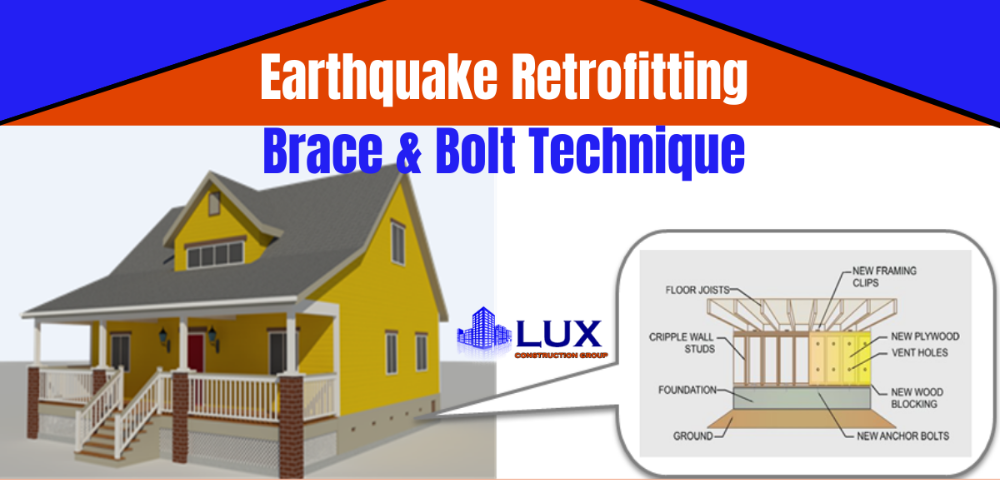
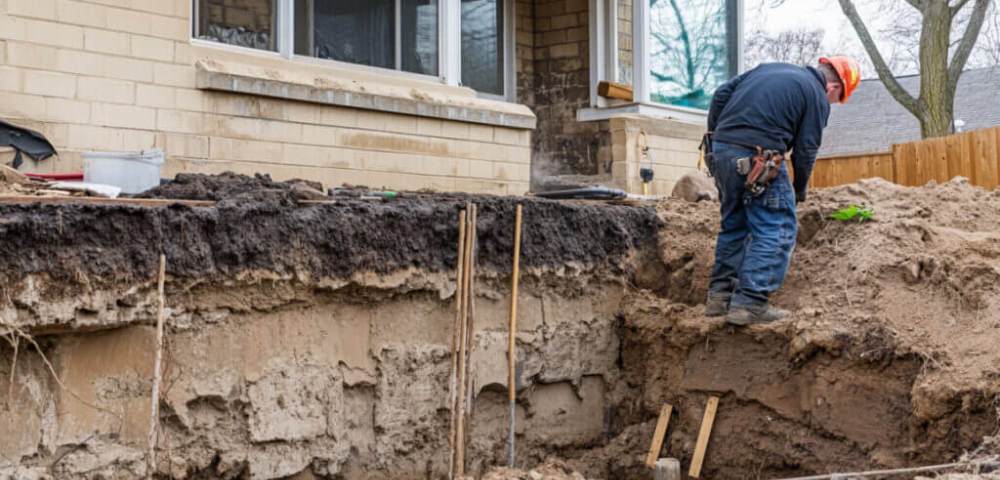
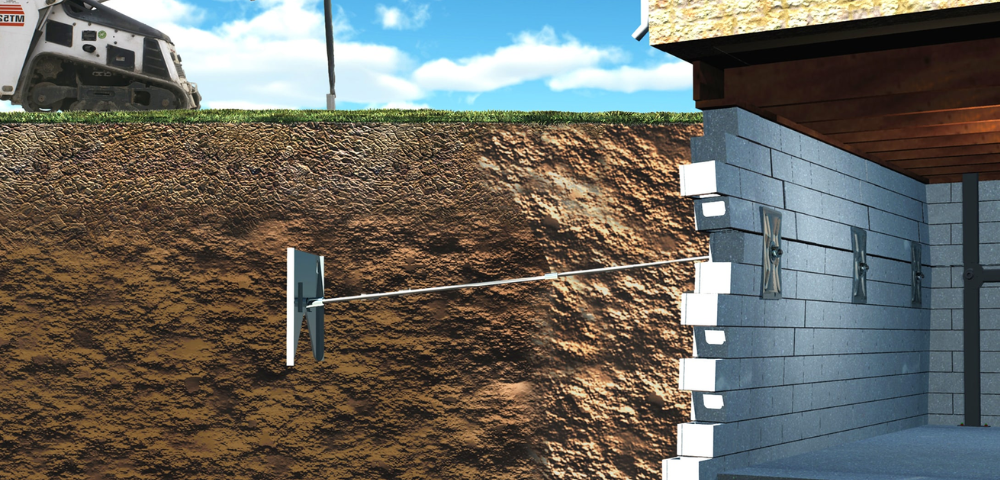
Foundation repair involves a variety of methods tailored to specific problems. ‘Underpinning’ is a common technique where new supports are added beneath the existing foundation to strengthen it or prevent further settlement. This can involve installing concrete piers or steel posts that transfer the building’s load to more stable soil layers. For properties in earthquake-prone regions, ‘seismic retrofit’ and ‘house bolting’ are essential. House bolting secures the structure to its foundation, preventing it from shifting or separating during seismic activity. This process typically involves anchoring the sill plate to the foundation walls with anchor bolts. In cases where foundation walls have bowed inward, techniques like reinforcing or even ‘sister foundations’ (adding new walls alongside existing ones) might be employed to restore structural integrity. Ensuring proper ‘drainage solutions’ around the foundation is also a critical preventive measure, as water accumulation can lead to soil erosion and foundation damage.
The Importance of Seismic Retrofitting
In areas susceptible to seismic events, ‘earthquake retrofit’ measures are not just recommended; they are vital for safety and property preservation. A seismic retrofit aims to make a building more resistant to the forces generated by earthquakes. This goes beyond basic foundation repair and often involves reinforcing the entire structural system. House bolting is a key component, ensuring the house stays connected to its foundation. Other methods can include strengthening cripple walls (short walls between the foundation and the first floor) and bracing the foundation to prevent shear. A thorough seismic retrofit significantly reduces the risk of catastrophic failure during an earthquake, protecting occupants and potentially saving the structure from irreparable damage.
When to Call a Professional
Deterioration or shifting of a building’s foundation is a serious matter that requires expert assessment and intervention. Attempting DIY foundation repairs is generally not advisable due to the complexity and potential for misdiagnosis. Professional foundation repair services employ trained technicians and engineers who can accurately diagnose the cause of the problem, whether it’s soil instability, water damage, or seismic stress. They have the specialized equipment and knowledge to implement effective solutions, from installing pier and post support systems to performing comprehensive seismic retrofits. Engaging qualified professionals ensures that the repairs are done correctly, safely, and in compliance with building codes, providing long-term stability and peace of mind.
Common questions
What are the main signs that my foundation needs repair?
Common signs include visible cracks in walls or ceilings, doors and windows that stick or don’t close properly, gaps between frames or brickwork, and uneven or sagging floors or rooflines.
What is house bolting and why is it important?
House bolting is a specific type of seismic retrofit that secures the wooden framing of a house to its concrete foundation using anchor bolts. This is crucial for preventing the structure from separating from its foundation during an earthquake.
How does underpinning work?
Underpinning involves strengthening or deepening an existing foundation. This is often done by installing new supports, such as concrete piers or steel posts, beneath the current foundation to transfer the building’s load to more stable ground.
Are drainage solutions related to foundation repair?
Yes, proper drainage solutions are critical for foundation health. They prevent water from accumulating around the foundation, which can saturate the soil, cause hydrostatic pressure, and lead to foundation movement or damage.
What is the goal of a seismic retrofit?
The primary goal of a seismic retrofit is to make a building more resistant to earthquake forces, thereby reducing the risk of damage or collapse during seismic activity and enhancing safety.