Los Angeles is in a seismically active region, making a seismic retrofit a critical consideration for homeowners. This process strengthens your home’s foundation against earthquake forces. When choosing a provider for this vital work, it’s important to understand what sets a qualified contractor apart. This guide focuses on the selection process, helping you make an informed decision to protect your property.
Key points
- Prioritize licensed and experienced seismic retrofit contractors.
- Ensure a comprehensive foundation inspection is performed.
- Thoroughly review project proposals and contracts.
- Understand that seismic retrofits may involve house bolting and other foundation stabilization techniques.
- Consider potential related foundation repair or drainage needs alongside the retrofit.
Understanding the Scope of a Seismic Retrofit
A seismic retrofit, often involving techniques like house bolting and underpinning, aims to secure your home’s structure to its foundation. This prevents the house from sliding or collapsing off the foundation during an earthquake. The process typically involves bolting the sill plate to the foundation, reinforcing cripple walls, and potentially installing a stronger foundation system if needed. It’s a specialized form of foundation repair that directly addresses seismic risks. Proper implementation requires a deep understanding of structural engineering principles and local building codes.
Key Qualifications for a Seismic Retrofit Provider
When evaluating potential contractors for your earthquake retrofit project, look for specific qualifications. Licensed contractors are a baseline requirement. Beyond licensing, consider their experience specifically with seismic retrofitting and house bolting. Ask about their familiarity with Los Angeles building codes and seismic requirements. A reputable provider will have a history of successful projects and potentially offer references. Understanding their approach to structural integrity and foundation stability is crucial. They should be able to explain the necessity of techniques like pier and post support or sister foundations if your project requires them.
The Importance of a Thorough Inspection and Assessment
Before any work begins, a qualified seismic retrofit provider will conduct a comprehensive inspection of your home’s foundation and structure. This assessment is key to identifying specific vulnerabilities. They will examine the condition of your existing foundation, the connection between the house and the foundation, and any potential issues like rot or damage that could affect the retrofit. This detailed evaluation allows them to create a tailored plan, rather than a one-size-fits-all solution. The inspection report should clearly outline the identified issues and the proposed solutions, including any necessary foundation repair or drainage solutions to ensure long-term stability.
Evaluating Project Proposals and Contracts
Once an inspection is complete, you will receive a project proposal. Carefully review this document. It should clearly detail the scope of work, the materials to be used, the timeline for completion, and the total cost. Be wary of proposals that are vague or lack specific details. Understand what is included in the price – does it cover permits, inspections, and any necessary follow-up work? The contract should be comprehensive, protecting both you and the contractor. It’s advisable to get multiple bids to compare services and pricing. Ensure the proposal addresses all aspects of the seismic retrofit, from house bolting to any required underpinning.
Beyond the Basics: Additional Considerations
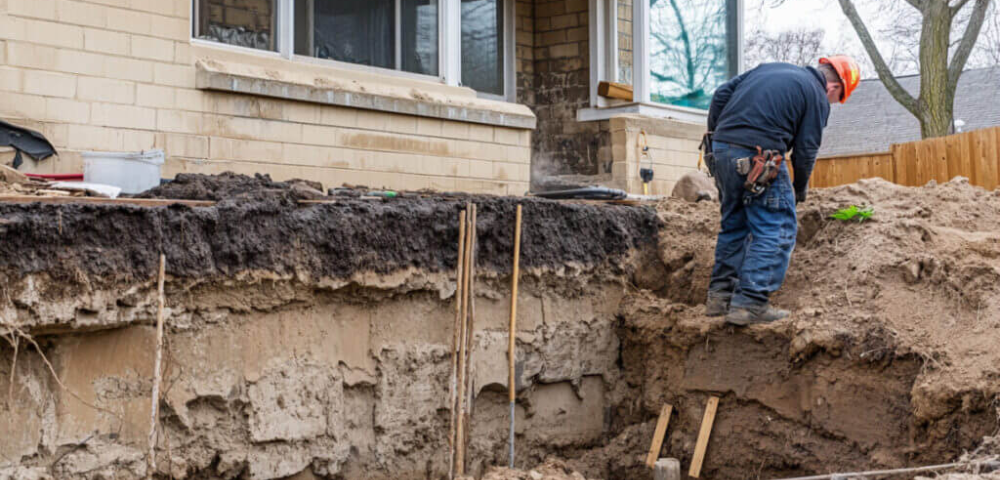
Some seismic retrofit projects may uncover underlying issues that require additional services. This could include addressing foundation settlement through underpinning or sister foundations, or improving drainage to prevent water damage that can compromise foundation integrity. A good contractor will identify these related issues and discuss them with you, providing clear explanations and options. Understanding the potential need for drainage solutions or other foundation repair work alongside your earthquake retrofit can help you budget and plan more effectively for the overall health and safety of your home.
Common questions
What is a seismic retrofit?
A seismic retrofit is a process of strengthening a home’s foundation and structure to better withstand earthquake forces, often involving techniques like house bolting and reinforcing walls to prevent damage or collapse during seismic activity.
What should I look for in a seismic retrofit provider?
You should look for licensed and experienced contractors who specialize in seismic retrofitting and house bolting, are knowledgeable about local building codes, and provide thorough inspections and detailed project proposals.
How important is a foundation inspection before a seismic retrofit?
A thorough foundation inspection is critical because it allows the contractor to identify specific vulnerabilities and tailor the seismic retrofit plan to your home’s unique needs, ensuring effective strengthening and addressing any underlying issues.
What is house bolting?
House bolting is a common technique used in seismic retrofitting where bolts are installed to securely connect the wooden frame of the house to the concrete foundation, preventing the structure from sliding off during an earthquake.
Can seismic retrofitting include other foundation repairs?
Yes, seismic retrofitting projects can sometimes reveal the need for additional foundation repairs, such as underpinning, pier and post support, sister foundations, or drainage solutions, to ensure overall structural stability.