When your Los Angeles home shows signs of foundation distress, selecting the right professional for underpinning and related structural repairs is paramount. Issues like cracking walls, uneven floors, or doors that no longer close properly can indicate underlying problems. This guide helps you navigate the process of choosing a qualified underpinning specialist to ensure the long-term stability and safety of your property. We’ll cover key factors to consider, from initial assessment to the final repair, ensuring you make an informed decision for crucial foundation repair and seismic retrofit work.
Key points
- Assess foundation issues thoroughly before selecting a provider.
- Choose specialists with proven experience in Los Angeles’s unique geological conditions.
- Verify contractor credentials, licensing, and insurance.
- Understand the proposed underpinning methods and their relation to seismic retrofit.
- Prioritize clear communication and detailed proposals from your chosen provider.
Understanding Foundation Issues in Los Angeles
Los Angeles’s diverse soil conditions and seismic activity present unique challenges for home foundations. Expansive clay soils can swell and shrink with moisture changes, while the ever-present risk of earthquakes necessitates robust structural integrity. Common indicators of foundation problems include visible cracks in walls or ceilings, doors and windows that stick or won’t close, uneven floors, and separation between walls and the ceiling. These issues often require professional intervention, such as underpinning, to stabilize and strengthen the structure.
When Underpinning Becomes Necessary
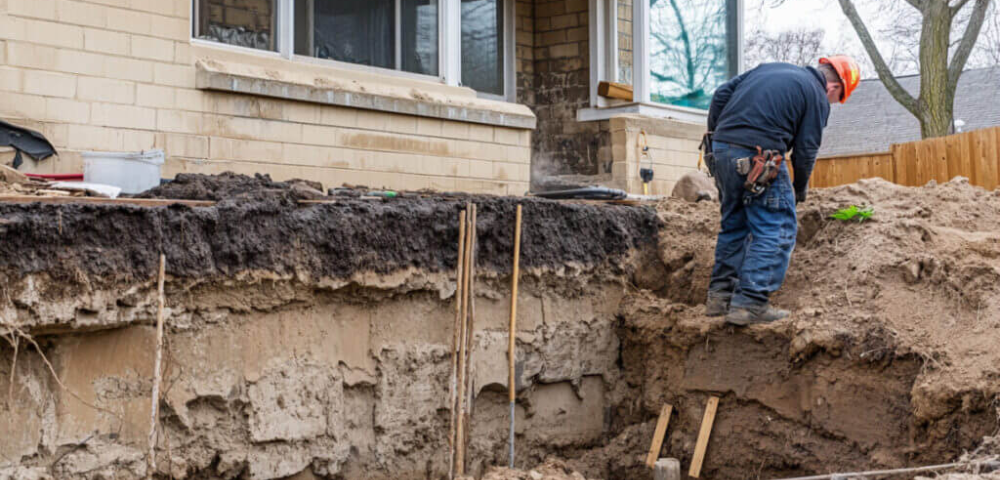
Underpinning is a specialized foundation repair technique used to strengthen or deepen an existing foundation. It’s typically employed when a foundation is no longer adequate to support the structure above it. This can happen due to soil erosion, inadequate initial construction, or increased loads on the structure over time. In Los Angeles, underpinning is often part of a comprehensive strategy that might include house bolting and seismic retrofit measures to protect against earthquakes. It can also address issues stemming from poor drainage or settlement.
Evaluating Potential Underpinning Providers
Choosing a reputable underpinning provider is critical. Look for contractors with specific experience in foundation repair and seismic retrofitting in the Los Angeles area. A qualified provider will conduct a thorough assessment of your foundation’s condition, often involving soil analysis and structural evaluations. They should be able to clearly explain the recommended solutions, whether it involves pier and post support, sister foundations, or other underpinning methods. Ask about their experience with local building codes and permitting processes, which are essential for any structural work.
Key Services Offered by Underpinning Specialists
Beyond basic underpinning, many specialists offer a range of services essential for Los Angeles homeowners. This includes house bolting, a crucial step in earthquake retrofitting that secures the house to its foundation, preventing it from sliding off during seismic events. They may also perform seismic retrofit work, which involves reinforcing the entire structure to withstand earthquakes. Drainage solutions are another vital service, as managing water around the foundation is key to preventing soil-related movement that can compromise structural integrity. Some may also offer foundation crack repair and concrete services as part of a broader foundation repair strategy.
The Importance of Experience and Credentials
When selecting a contractor for foundation repair or seismic retrofit, verify their credentials. Inquire about their years in business, client testimonials, and any professional affiliations. It’s wise to seek out companies that specialize in underpinning and related structural engineering services, rather than general contractors. A strong track record in Los Angeles, specifically dealing with the region’s unique geological challenges, is invaluable. Ensure they are licensed and insured, providing you with peace of mind and protection throughout the project.
Understanding the Process and Communication
A good underpinning provider will maintain clear communication throughout the project. This starts with a detailed proposal outlining the scope of work, materials, timeline, and cost. They should be available to answer your questions and provide regular updates. Understanding the proposed underpinning method, such as the installation of new piers or the reinforcement of existing supports, is important. For earthquake retrofitting, understanding how house bolting and other structural reinforcements will be integrated is key to ensuring comprehensive protection.
Common questions
What is underpinning?
Underpinning is a structural engineering technique used to strengthen or stabilize an existing foundation, often by extending it to a more stable soil layer or by reinforcing its current structure with new supports like piers and posts.
When should I consider underpinning for my Los Angeles home?
You should consider underpinning if you notice significant foundation issues such as severe cracking, uneven floors, doors and windows that stick, or if your home has experienced soil-related settlement or is undergoing renovations that add significant weight.
How does underpinning relate to earthquake retrofitting?
Underpinning can be a component of a larger earthquake retrofitting strategy. While earthquake retrofitting often focuses on securing the structure to the foundation (house bolting) and reinforcing walls, underpinning addresses the foundation’s own stability, ensuring it can withstand seismic forces and support the home.
What are the signs of foundation problems that might require underpinning?
Common signs include visible cracks in walls, floors, or ceilings; doors and windows that are difficult to open or close; uneven or sloping floors; and nail pops or separations in drywall. Soil moisture changes and seismic activity can exacerbate these issues.
What questions should I ask a potential underpinning contractor?
Ask about their experience with foundation repair and seismic retrofit in Los Angeles, their licensing and insurance, the specific methods they propose, their timeline, warranties, and how they handle permits and inspections.