When considering an earthquake retrofit, understanding the potential costs is crucial for homeowners and business owners. While the exact price can vary significantly, several core factors determine the overall investment. These elements range from the specific structural needs of your property to the complexity of the required foundation repair or seismic retrofit work. Recognizing these influences can help you anticipate expenses and plan accordingly for essential structural upgrades.
Key points
- Property size, age, and original construction methods significantly influence seismic retrofit costs.
- The specific techniques used, such as house bolting, underpinning, or pier and post support, directly affect the overall investment.
- Material costs, labor rates, and site accessibility are key components of the total project expense.
- Permit fees and professional services from structural engineers are essential budget considerations.
- Addressing existing foundation repair needs may be necessary before seismic retrofitting can commence.
Property Characteristics and Structural Needs
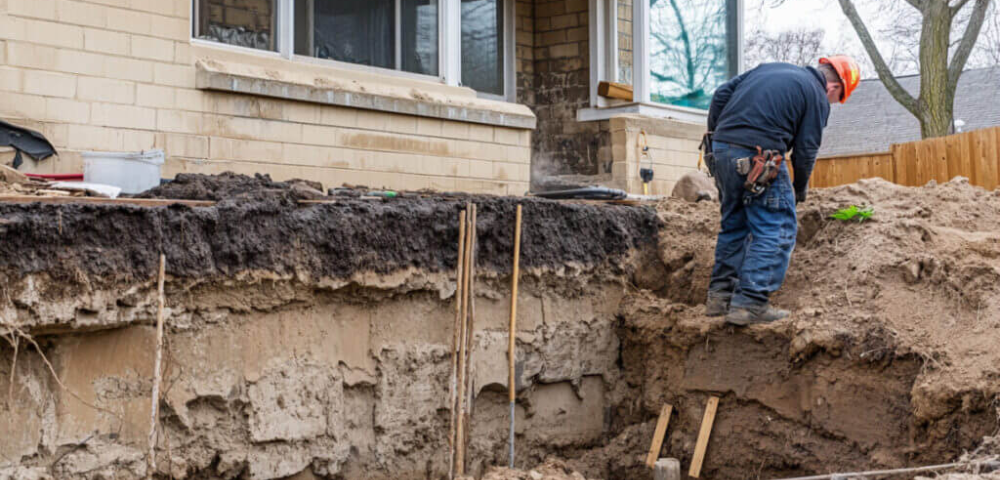
The size and type of your building are primary cost drivers for any seismic retrofit. Larger homes or commercial properties naturally require more materials and labor. Beyond mere square footage, the original construction methods play a significant role. Older homes built before modern seismic codes might have weaker foundation systems, requiring more extensive work like underpinning or the installation of pier and post support. The condition of the existing foundation is also a major consideration; significant cracks or deterioration may necessitate more involved foundation repair before seismic retrofitting can even begin. Identifying the specific vulnerabilities of your structure is the first step in accurately estimating the scope and cost of the project.
Scope of Work: From House Bolting to Comprehensive Reinforcement
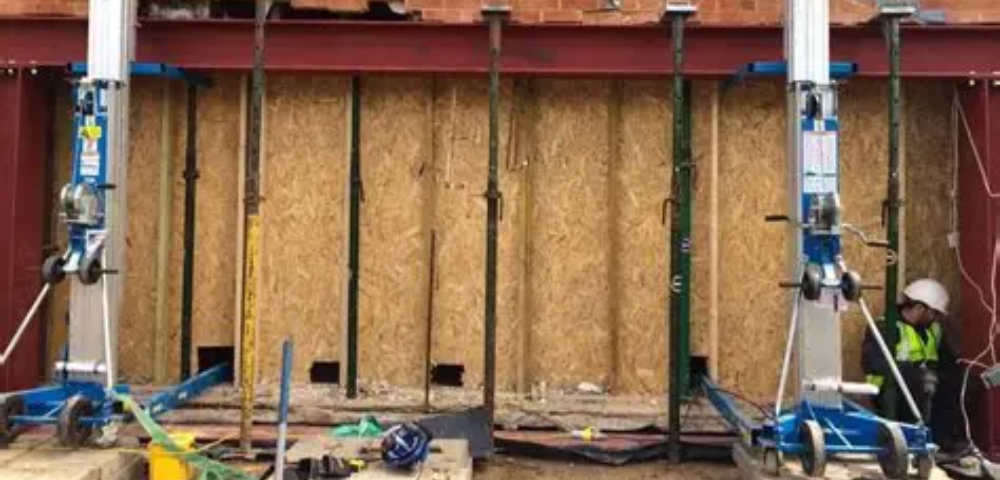
The specific techniques employed during an earthquake retrofit directly impact the final price. Simple house bolting, which secures the foundation sill plate to the concrete foundation, is generally less expensive than more complex methods. If the structure has a cripple wall – short vertical walls between the foundation and the first floor – these often require reinforcement. This might involve bracing or sister foundations, where new supports are added alongside existing ones. In cases of significant settling or foundation damage, underpinning may be necessary to strengthen or deepen the existing foundation. The decision to include drainage solutions can also add to the cost, but is often a wise preventative measure against future foundation issues exacerbated by soil saturation.
Materials, Labor, and Site Conditions
The cost of materials, such as specialized bolts, anchors, concrete, and structural steel, fluctuates with market prices. However, the most significant variable is often labor. Experienced seismic retrofit specialists bring expertise that is essential for effective structural reinforcement. The complexity of the work, the accessibility of the foundation, and the duration of the project all contribute to labor costs. Difficult site conditions, like limited access for machinery or the need to work around existing utilities, can also increase the time and effort required, thereby raising the overall expense. The geographic location can also influence labor rates and material availability.
Permitting and Professional Fees
Undertaking a seismic retrofit project necessitates obtaining the proper permits from local building departments. The fees associated with these permits vary by municipality and are a required part of the project’s budget. Beyond permits, engaging with structural engineers for assessment and design is often a critical step. Their professional fees for analysis, reports, and blueprints are an important consideration. While these add to the upfront cost, they ensure the retrofit plan is sound, compliant with building codes, and effectively addresses the identified structural weaknesses, ultimately providing long-term value and safety.
Common questions
What is the average cost of a seismic retrofit?
The average cost of a seismic retrofit can vary widely, with estimates often ranging from a few thousand dollars for basic house bolting to tens of thousands for more comprehensive structural reinforcement. The final price depends heavily on the specific needs of the property and the scope of work involved.
Does a seismic retrofit include foundation repair?
A seismic retrofit may include foundation repair if the existing foundation is found to be damaged or unstable. Work like underpinning or addressing cracks is often a prerequisite for effective seismic strengthening, ensuring the base of the structure is sound before additional reinforcement is applied.
How much does house bolting typically cost?
The cost of house bolting, a common component of seismic retrofitting, generally falls on the lower end of the retrofit cost spectrum. This process involves anchoring the house to its foundation and is typically less labor-intensive than more extensive structural upgrades.
Are there financing options for earthquake retrofitting?
While specific financing options can vary, some homeowners explore home equity loans or lines of credit. Additionally, certain local or state programs may offer incentives or low-interest loans for earthquake preparedness measures, including seismic retrofits.