Addressing foundation issues is a significant investment in your property’s long-term stability and value. While the exact cost can vary widely, understanding the elements that contribute to the final price can help homeowners and business owners budget effectively. Several factors, from the type of repair needed to the accessibility of the site, play a crucial role in determining the overall expense.
Key points
- Foundation repair costs are influenced by the chosen repair method, such as underpinning, house bolting, or pier and post support.
- The extent and severity of the foundation damage are primary cost drivers.
- Site conditions, including accessibility and soil type, significantly impact labor and equipment expenses.
- Geographic location, local regulations, and permit requirements affect overall project pricing.
- Material and skilled labor costs are direct components of any foundation repair budget.
Common Foundation Repair Methods and Their Cost Implications
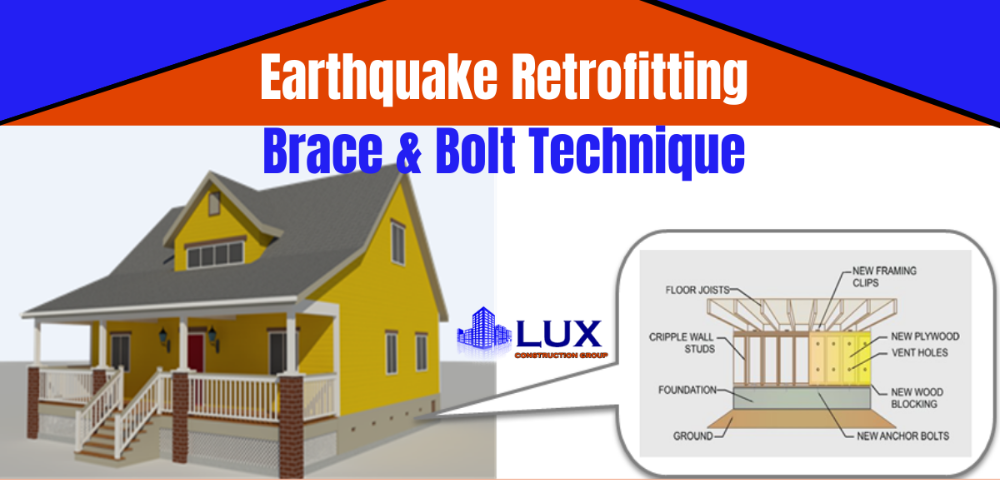
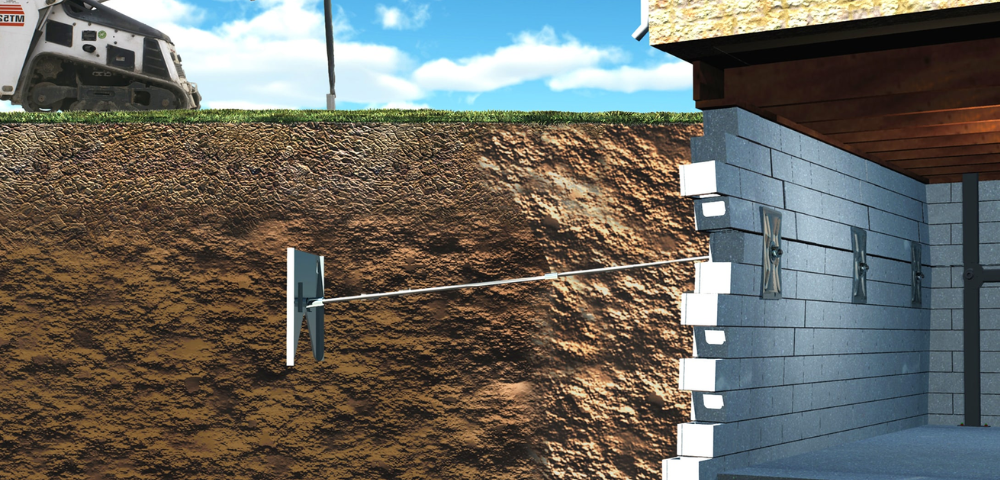
The method chosen to address foundation problems is a primary driver of cost. Simple crack repair might be less expensive than structural interventions. Techniques like underpinning, which involves extending the foundation deeper into the ground using concrete piers or steel push piers, are more labor-intensive and material-heavy, thus increasing the price. House bolting, often part of an earthquake retrofit or seismic retrofit project, involves securing the foundation to the structure’s sill plates. This process requires precise work and specialized hardware. Other methods, such as installing pier and post support systems to reinforce weakened areas or sistering existing foundation walls with new concrete, also involve significant labor and materials. The complexity and duration of each method directly correlate with its cost.
Scope of the Damage and Project Scale
The extent of the foundation damage is perhaps the most significant factor in determining repair costs. Minor settlement or a few hairline cracks will naturally be less expensive to fix than widespread structural compromise affecting multiple areas of the building. A project that requires extensive excavation, the removal and replacement of large sections of concrete, or complex structural reinforcement will naturally incur higher costs. The size of the property itself also plays a role; larger homes or buildings with more extensive foundation systems will generally have higher repair bills due to the increased materials and labor required. A thorough inspection is crucial to accurately assess the scope and thus estimate the potential cost.
Site Conditions and Accessibility
The physical environment where the repair work will take place significantly impacts the budget. Difficult access to the foundation area, such as working on a steep slope, in a confined crawl space, or near existing landscaping that needs to be preserved, can increase labor time and require specialized equipment. If extensive excavation is needed, the cost of soil removal and disposal, as well as the backfilling and compaction process, must be factored in. Poor soil conditions, like expansive clay or saturated ground, may necessitate additional stabilization measures or more robust repair techniques, adding to the overall expense. Drainage solutions, which are often implemented in conjunction with foundation repair to prevent future water-related issues, also contribute to the project’s scope and cost.
Geographical Location and Local Regulations
Costs for foundation repair services can differ based on geographic location. Factors such as the local cost of living, labor rates, and the availability of specialized contractors influence pricing. Furthermore, building codes and permit requirements vary by municipality. Obtaining the necessary permits for structural work, such as seismic retrofit or house bolting, adds an administrative cost and may require specific engineering reports or inspections, which further impacts the total expense. Areas prone to seismic activity, for example, may have stricter regulations for earthquake retrofitting, potentially leading to more involved and costly procedures.
Material and Labor Costs
The price of raw materials, including concrete, steel, rebar, and specialized anchoring hardware, fluctuates with market conditions. These material costs are a direct component of any foundation repair project. Equally important is the cost of skilled labor. Experienced foundation repair technicians and engineers command wages commensurate with their expertise. The duration of the project, the number of workers required, and the complexity of the tasks involved all contribute to the labor component of the final bill. For instance, a comprehensive seismic retrofit might require a larger crew working for an extended period compared to a simpler underpinning job.
Common questions
What is the average cost of foundation repair?
The average cost of foundation repair is highly variable and depends on numerous factors, including the type and extent of damage, the repair methods employed, site accessibility, and local labor rates. Simple repairs might cost a few hundred dollars, while extensive structural work, such as underpinning or seismic retrofitting, can range from several thousand to tens of thousands of dollars.
Does earthquake retrofitting increase foundation repair costs?
Yes, earthquake retrofitting, which includes services like house bolting, generally increases the overall cost of foundation repair. This is because it involves specific structural modifications designed to make the building more resilient to seismic forces, requiring specialized materials, labor, and adherence to stringent building codes.
How do drainage solutions affect foundation repair costs?
Implementing drainage solutions as part of a foundation repair project will add to the overall cost. These systems, such as French drains or grading adjustments, are designed to manage water around the foundation, preventing future damage. While they increase the initial investment, they can save money in the long run by averting more severe foundation problems caused by water intrusion.
Why is underpinning a costly foundation repair method?
Underpinning is often a costly foundation repair method because it involves significant excavation, the installation of deep piers (either concrete or steel), and extensive labor. It is typically required for severe settlement issues, demanding a robust and time-consuming process to stabilize and strengthen the foundation.