A sagging roof line is one of the most serious structural issues a homeowner can face. In Los Angeles, CA, factors such as aging construction materials, seismic activity, moisture damage, and foundation movement can all contribute to roof sagging. If left unaddressed, a sagging roof can compromise the safety, stability, and value of a home. Understanding the causes and recognizing the warning signs can help homeowners take action before the problem worsens.
A roof line should appear straight and level across the structure. When sections of the roof begin to dip, bow, or sag, it often indicates that the underlying support system is weakening. This may involve damaged rafters, deteriorated roof decking, weakened trusses, or structural issues affecting the home’s framework. In many cases, roof sagging develops gradually, making early detection especially important.
One of the most common causes of a sagging roof in Los Angeles is water damage. Roof leaks can allow moisture to penetrate wooden support structures, leading to rot, mold growth, and deterioration. As the wood weakens over time, it may no longer be able to support the weight of the roof properly. Homeowners may notice stains on ceilings, peeling paint, or damp attic spaces before visible roof sagging becomes apparent.
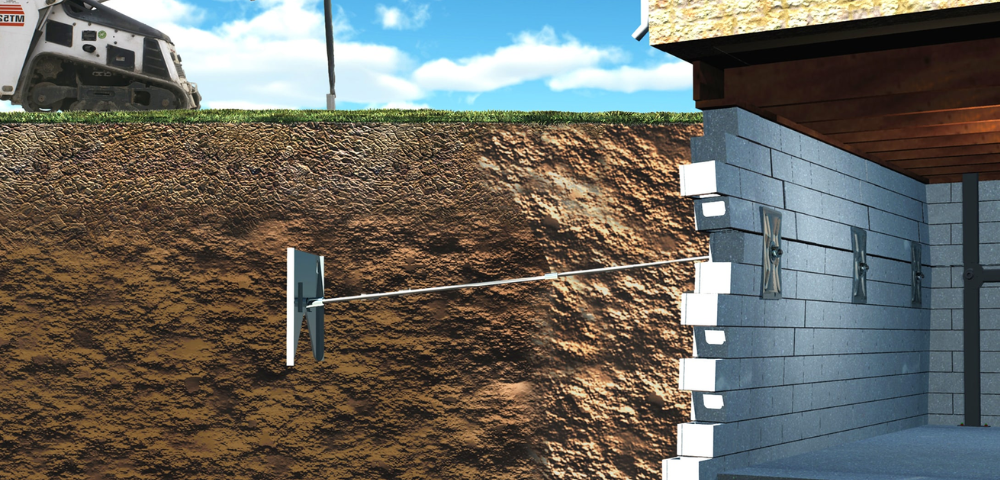
Foundation settlement can also contribute to roof line problems. When a foundation shifts or settles unevenly, the structural frame of the house can become distorted. This movement places stress on walls, beams, and roof supports, eventually causing the roof line to sag. In many cases, homeowners experiencing foundation issues may also notice wall cracks, uneven floors, or doors and windows that stick.
Los Angeles homeowners must also consider the impact of earthquakes and ongoing seismic activity. Even minor tremors can place stress on aging structures, particularly homes that have not undergone seismic retrofitting. Over time, repeated movement can weaken load-bearing components and contribute to structural sagging.
Signs of a sagging roof line should never be ignored. Visible dips in the roof, cracked interior walls, ceiling separations, bowed roof surfaces, or unusual creaking sounds may indicate a developing structural problem. Prompt inspection by a qualified contractor can help identify the source of the issue and determine the best course of action.
Repair solutions depend on the underlying cause and severity of the damage. Minor issues may require reinforcement of roof framing members, while more significant structural concerns could involve replacing damaged rafters, installing additional support beams, or addressing foundation settlement. In cases involving moisture damage, repairing leaks and replacing deteriorated materials are essential steps in restoring structural stability.
Regular roof inspections and preventive maintenance can help homeowners avoid costly repairs. Keeping gutters clear, addressing leaks promptly, and monitoring for structural changes can extend the life of a roof and reduce the risk of sagging.
A sagging roof line is more than just a cosmetic concern—it is often a sign of a deeper structural issue that requires professional attention. By addressing problems early, Los Angeles homeowners can protect their investment, improve safety, and ensure their homes remain strong and secure for years to come.