Recent weather patterns in Southern California, including heavy rain, have brought renewed attention to how ground conditions can impact residential structures. Understanding the relationship between soil saturation and foundation stability is key for homeowners in Los Angeles.
How Ground Conditions Affect Foundations
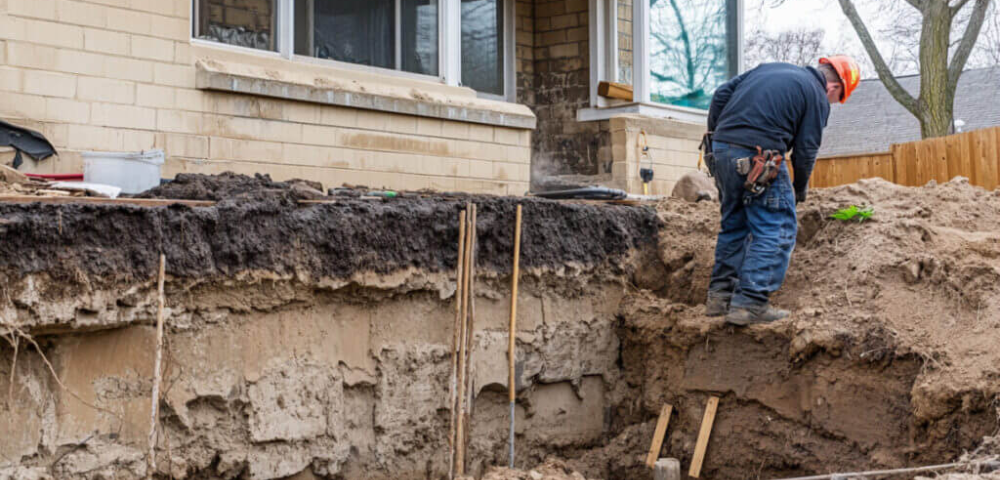
When significant rainfall occurs, the soil around a home's foundation can become saturated. This increased moisture content can alter the soil's properties. In Los Angeles, a region with diverse soil types, saturation can lead to a phenomenon where the ground may expand. This expansion, particularly when it happens rapidly after a dry period, can exert pressure on the foundation walls. Conversely, if the soil becomes oversaturated and then dries out, it can contract. This cycle of expansion and contraction, driven by moisture fluctuations, can create stress points. Over time, this stress can manifest as visible issues with the foundation. Addressing these ground condition changes is vital for maintaining the structural integrity of a house.
Early Warning Signs of Foundation Issues
Homeowners should be aware of several early indicators that suggest a foundation may be experiencing problems due to ground conditions. Cracks in interior walls, particularly near doorways or windows, can be an initial sign. You might also notice cracks appearing on exterior stucco or brickwork. Uneven floors, where some areas of the house feel lower than others, could point to settling. Gaps appearing between walls and ceilings, or around window and door frames, are another concern. If doors or windows start to stick or are difficult to open and close, this can indicate that the house's frame is no longer square due to foundation movement. Regularly inspecting the exterior of your home for cracks in the foundation itself is also important, especially after periods of heavy rain or significant temperature shifts. Paying attention to these signs can allow for earlier intervention, potentially preventing more severe damage.
Proactive Measures and Solutions
To mitigate risks associated with ground movement and soil saturation, homeowners can implement several proactive measures. Ensuring proper drainage solutions are in place around the home is paramount. This includes maintaining gutters and downspouts to direct water away from the foundation and considering French drains or other systems if water tends to pool. Waterproofing the foundation walls can also provide an extra layer of protection against moisture infiltration. For homes in areas prone to seismic activity, an earthquake retrofit or seismic retrofit, which may involve techniques like house bolting, can strengthen the structure and its connection to the foundation. If foundation issues are suspected or confirmed, professional assessment is crucial. Services such as underpinning, pier and post support, or creating sister foundations can be employed to stabilize and repair compromised structures. These interventions are designed to address the specific cause of the foundation problem, whether it's soil instability or structural weakness.
Key takeaways
- Heavy rainfall can saturate soil, affecting foundation stability in Los Angeles.
- Watch for early warning signs such as wall cracks, uneven floors, and sticking doors/windows.
- Proper drainage and waterproofing are crucial for protecting your foundation.
- Professional assessment is recommended for any suspected foundation issues.
- Solutions like underpinning, house bolting, and seismic retrofitting can address foundation problems.
Frequently asked questions
What should I do if I see cracks in my foundation?
If you observe cracks in your foundation, it is advisable to have a professional inspection to determine the cause and extent of the damage. Early detection and repair are key to preventing more significant structural issues.
How does rain affect my home's foundation in Los Angeles?
Heavy rain can saturate the soil around your foundation, leading to expansion or contraction. This can exert pressure on the foundation walls, potentially causing cracks, settling, or other structural problems over time.
What are the signs that my foundation needs repair?
Common signs include cracks in walls or the foundation itself, uneven floors, doors and windows that stick, and gaps appearing between walls and ceilings. Regular visual checks are important.
Are there solutions for foundation problems caused by soil movement?
Yes, solutions range from improving drainage and waterproofing to structural repairs like underpinning or pier and post support. For seismic concerns, earthquake retrofitting can enhance safety.
Sources
- Heavy rain hits SoCal, flooding threat puts LA burn areas on alert – NBC Los Angeles