A strong foundation is the bedrock of any stable structure. However, even the most robust foundations can be compromised by water. Understanding foundation waterproofing is crucial for homeowners and business owners alike to protect their investments from costly damage. This guide explores what effective waterproofing entails, focusing on proactive measures and essential drainage solutions.
Key points
- Foundation waterproofing prevents water damage and protects structural integrity.
- Effective waterproofing involves both barrier membranes and managing water intrusion.
- Proper drainage systems are critical for reducing water pressure around the foundation.
- Early detection of water intrusion signs is key to preventing costly repairs.
- Waterproofing complements other foundation repair and structural strengthening services.
The Importance of Foundation Waterproofing
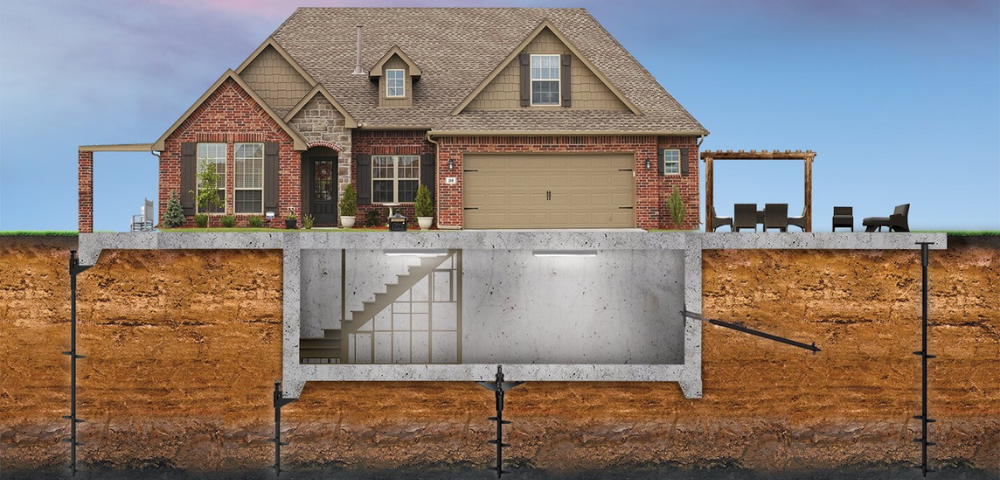
Water is a relentless force that can slowly but surely degrade a building’s foundation. When rain or groundwater seeps into the soil surrounding a foundation, it can exert hydrostatic pressure against basement walls and slabs. Over time, this pressure can lead to cracks, leaks, and structural weaknesses. Beyond the immediate damage, persistent moisture can foster mold and mildew growth, creating unhealthy indoor environments and further compromising building materials. Effective waterproofing acts as a barrier, preventing water from reaching and damaging the foundation.
Understanding Waterproofing Methods
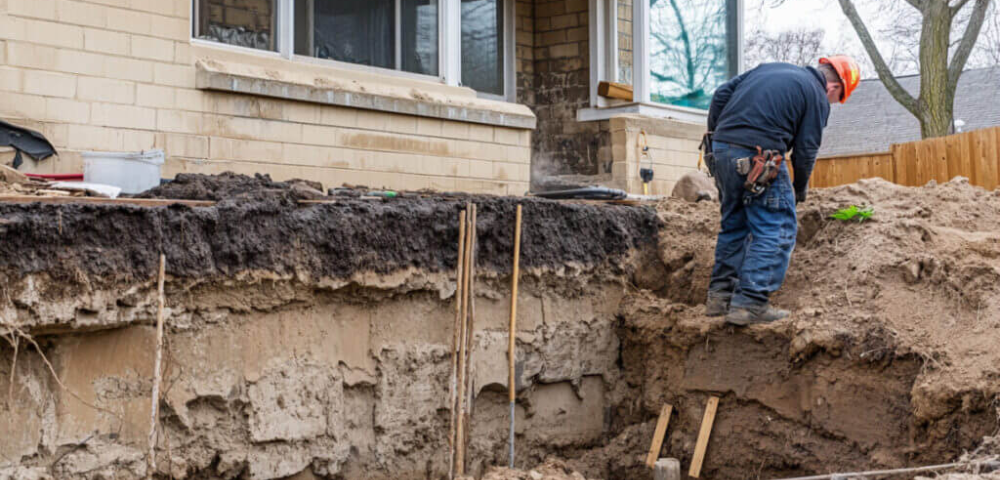
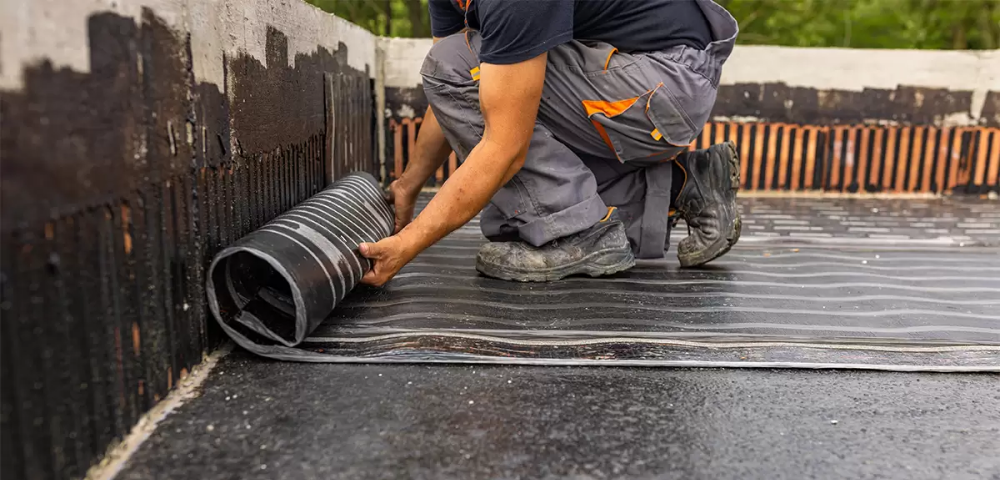
Foundation waterproofing involves a range of techniques designed to keep water out. Exterior waterproofing typically involves applying a waterproof membrane or coating to the outside of the foundation walls before backfilling. This is often considered the most effective method as it stops water before it reaches the foundation material. Interior waterproofing focuses on managing water that has already penetrated the foundation. This can include installing sump pumps to collect and remove water, or applying waterproof sealants and coatings to interior walls and floors. Often, a combination of interior and exterior methods provides the most comprehensive protection. These techniques are vital for overall foundation repair and ensuring long-term structural integrity, complementing services like underpinning or house bolting when needed.
Essential Drainage Solutions
Proper drainage is intrinsically linked to effective foundation waterproofing. Without adequate drainage, water will inevitably pool around the foundation, increasing pressure and the risk of water intrusion. Key drainage solutions include installing French drains, which are perforated pipes buried in gravel-filled trenches around the foundation perimeter to collect and redirect water away from the building. Grading the soil away from the foundation is another critical step, ensuring surface water flows downhill and away from the structure. Gutters and downspouts must also be properly maintained and directed away from the foundation. These drainage solutions are a cornerstone of any successful foundation protection strategy, often working in tandem with seismic retrofit measures by ensuring a stable base.
Signs of Water Intrusion and When to Act
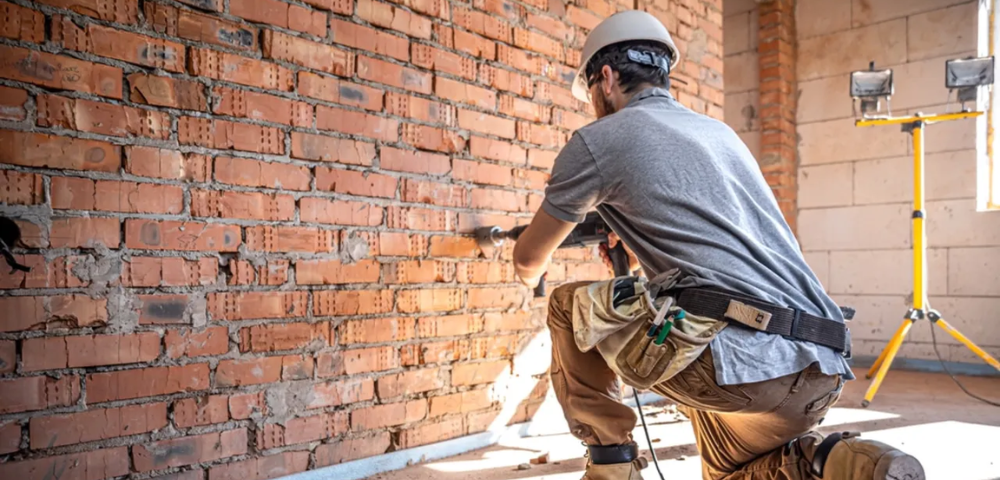
Recognizing the early signs of water problems is essential for preventing major damage. Look for damp or wet spots on basement floors or walls, the presence of mold or mildew, a musty odor, or visible water stains. Cracks in foundation walls, even small ones, can be entry points for water. Efflorescence, a white, powdery residue on concrete surfaces, can indicate past or present water seepage. If you notice any of these signs, it’s time to consider professional assessment and potential foundation repair or waterproofing. Proactive measures, including regular inspections and maintenance of drainage systems, can save significant expense and hassle down the line. Addressing these issues complements broader structural work like pier and post support or sister foundations.
Common questions
What is the primary goal of foundation waterproofing?
The primary goal of foundation waterproofing is to prevent water from penetrating the foundation walls and slab, thereby protecting the structure from water damage, mold growth, and associated structural weakening.
Are interior or exterior waterproofing methods better?
Exterior waterproofing is generally considered more effective as it creates a barrier before water reaches the foundation. However, interior waterproofing is crucial for managing water that may still find its way in, and often a combination of both offers the most robust protection.
How do drainage solutions help with waterproofing?
Drainage solutions manage the water around the foundation. By redirecting groundwater and surface water away from the building, they reduce the hydrostatic pressure on the foundation walls, significantly lowering the risk of water intrusion and supporting the effectiveness of waterproofing efforts.
What are common signs that my foundation needs waterproofing?
Common signs include dampness or wetness on basement walls and floors, mold or mildew growth, musty odors, water stains, and visible cracks in the foundation. Efflorescence on concrete surfaces is also an indicator.