When the foundation of your home or business shows signs of distress, it’s natural to wonder about the best course of action. Among the various foundation repair methods available, underpinning stands out as a robust solution for significant structural problems. This process involves strengthening and stabilizing an existing foundation, often by extending it deeper into the ground or reinforcing its base. Deciding whether underpinning is the right choice requires a careful assessment of the issues at hand and the potential long-term benefits.
Key points
- Visible cracks and operational issues with doors/windows are key indicators for foundation repair.
- Underpinning is a comprehensive solution for significant foundation settlement and instability.
- In seismic zones, underpinning can be a vital part of an earthquake retrofit strategy.
- Pier and post support systems are a common and effective method used in underpinning.
- Underpinning represents a significant investment that enhances long-term structural integrity and property value.
Identifying the Need for Underpinning
Several indicators can signal that your property’s foundation may require underpinning. Visible cracks in walls, floors, or the foundation itself are common. You might also notice doors and windows that no longer close properly, uneven floors, or a general leaning of the structure. These symptoms often arise from soil settlement, which can be caused by changes in moisture content, soil type, or inadequate initial construction. In seismic zones, the need for a seismic retrofit, which may include underpinning, becomes paramount for structural integrity.
When Underpinning Becomes a Necessity
Underpinning is typically considered when less invasive foundation repair methods are insufficient to address the underlying problem. This is especially true when the foundation has settled unevenly, compromising the entire building’s stability. It’s a more substantial undertaking than simple crack repair or house bolting, designed to provide a lasting solution. The goal is to transfer the building’s load to a more stable soil stratum or to reinforce the existing foundation to resist further movement. This can involve extending the foundation downwards or outwards, depending on the specific issues identified.
The Role of Underpinning in Seismic Retrofit
For properties located in earthquake-prone areas, underpinning can be a crucial component of an earthquake retrofit. Seismic retrofit aims to strengthen a building’s structure to withstand the forces of an earthquake. Underpinning can enhance a foundation’s ability to resist lateral forces and prevent differential settlement during seismic events. This often involves installing new support systems, such as piers or posts, and integrating them with the existing foundation to create a unified, resilient structure. A thorough evaluation is necessary to determine the scope of the seismic retrofit, which might also include house bolting and other bracing techniques.
Considering Pier and Post Support Systems
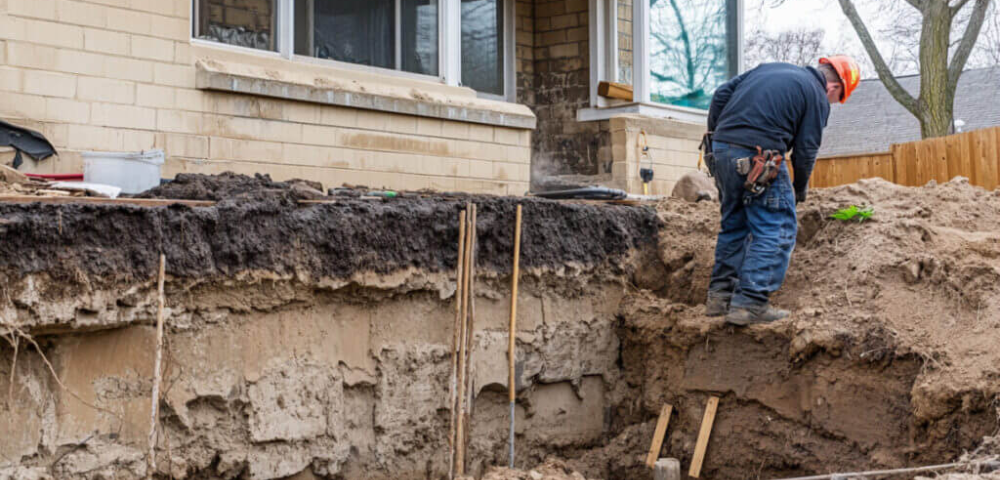
A common method within underpinning is the use of pier and post support systems. These systems are installed by excavating around the foundation and embedding piers or posts deep into stable soil layers. Hydraulic jacks can then be used to lift and level the foundation, transferring the building’s weight to these new supports. This approach is effective for addressing significant settlement issues and provides a stable, long-term solution. The decision to use pier and post support often depends on the depth of stable soil and the extent of the foundation’s distress.
Beyond Settlement: Other Reasons for Underpinning
While soil settlement is a primary driver for underpinning, other factors can also necessitate this type of foundation repair. Changes in nearby construction projects that might affect soil stability, inadequate original foundation design, or even the addition of extra stories to a building can place undue stress on the existing foundation. In some cases, underpinning is used to create a sister foundation, essentially adding a new foundation alongside the existing one to provide additional support. Addressing drainage solutions is also critical, as poor drainage can exacerbate soil issues that lead to foundation problems.
Evaluating the Investment in Underpinning
Deciding to underpin is a significant investment in the safety and longevity of your property. While the costs can be substantial, they are often outweighed by the long-term benefits of preventing further structural damage, avoiding more extensive repairs down the line, and increasing the property’s value. It’s essential to obtain detailed assessments from experienced foundation repair professionals to understand the full scope of work and the expected outcomes. This ensures that underpinning is not just a repair, but a strategic improvement to your property’s structural integrity.
Common questions
What are the first signs that my foundation might need underpinning?
The first signs that your foundation may need underpinning often include visible cracks in walls, floors, or the foundation itself, as well as doors and windows that no longer operate smoothly due to structural shifts.
Is underpinning the same as a seismic retrofit?
Underpinning can be a component of a seismic retrofit, but they are not the same; underpinning strengthens and stabilizes a foundation, while a seismic retrofit specifically aims to prepare a structure to withstand earthquake forces, which may involve underpinning along with other strengthening methods like house bolting.
How does underpinning address soil problems?
Underpinning addresses soil problems by extending the foundation’s support structure deeper into the ground to reach more stable soil layers or by reinforcing the existing foundation to better resist the stresses caused by problematic soil conditions.
When is pier and post support used in foundation repair?
Pier and post support is used in foundation repair, particularly during underpinning, when the existing foundation has settled significantly and needs to be re-leveled and supported by new structural elements anchored in stable soil.
Can drainage issues necessitate underpinning?
Yes, persistent drainage issues can lead to soil saturation and instability, which can compromise a foundation and, in some cases, necessitate underpinning to repair or prevent further damage.