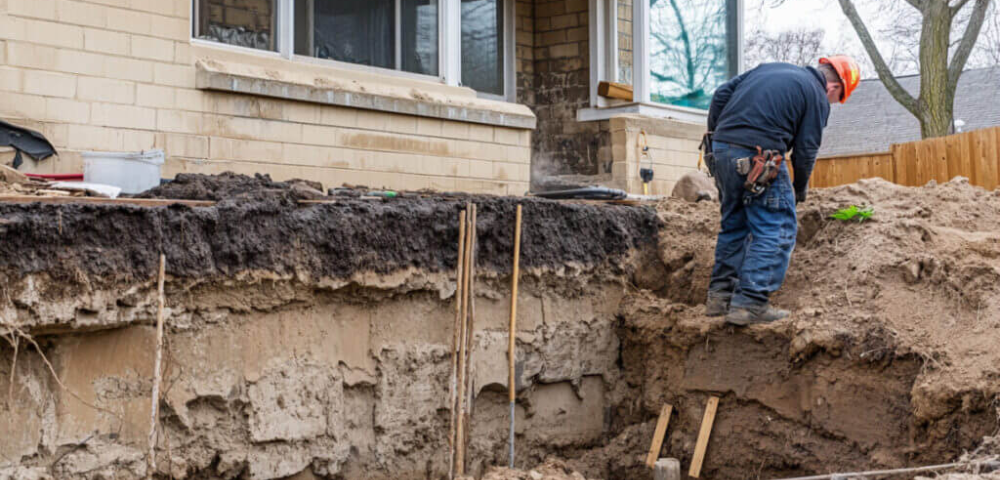
When your home’s foundation shows signs of distress, addressing it promptly is crucial for structural integrity and safety. Underpinning, a common foundation repair technique, involves strengthening or stabilizing the existing foundation. The cost of such work can vary significantly, and understanding the elements that contribute to the final price can help you prepare for the investment.
Key points
- Foundation issues vary in severity, directly impacting the cost of underpinning.
- Soil type and its condition are critical factors influencing the expense of foundation repair.
- Site accessibility and potential challenges add to the overall cost of underpinning.
- The choice of materials for piers, posts, or structural reinforcement affects the price.
- Professional fees for engineering and permits are essential components of project costs.
Scope of Work and Foundation Issues
The primary driver of underpinning costs is the extent of the problem. Minor settlement requiring only a few new support points will naturally cost less than extensive structural damage necessitating significant intervention. The type of foundation issue—whether it’s settlement, heaving, or lateral movement—also dictates the complexity and thus the cost of the repair. For instance, addressing widespread foundation cracks might involve more labor and materials than reinforcing a single load-bearing wall. The specific foundation repair methods employed, such as pier and post support, sister foundations, or house bolting, each have their own material and labor requirements, directly impacting the overall expense.
Geological and Soil Conditions
The ground beneath your home plays a significant role in underpinning expenses. Soil type, its load-bearing capacity, and moisture content are critical considerations. Expansive soils, which swell and shrink with moisture changes, can put immense pressure on foundations, requiring more robust and costly solutions. Rocky soil may necessitate specialized excavation equipment, increasing labor and equipment rental costs. Conversely, very loose or unstable soil might require initial stabilization efforts before underpinning can even begin, adding to the overall project cost. Understanding the soil’s behavior through geotechnical surveys, though an upfront expense, can prevent costly surprises during the repair process.
Accessibility and Site Challenges
How easily a contractor can access the affected areas of your foundation directly influences labor time and equipment needs. If the underpinning work is required in a confined crawl space, a densely landscaped yard, or near existing structures, it will likely increase costs. Difficult access may require more manual labor, specialized tools, or even temporary removal of landscaping or structures. Similarly, if underpinning is needed below the water table, dewatering efforts become necessary, adding complexity and expense. The presence of underground utilities also requires careful navigation, potentially increasing project duration and cost.
Materials and Support Systems
The materials used for underpinning and foundation repair are a significant cost component. Common methods include concrete piers, steel piers, helical piles, and concrete underpinning. The choice of material depends on the specific load requirements, soil conditions, and desired longevity of the repair. For example, helical piles might be chosen for their ease of installation in various soil types and their ability to provide immediate support, but their cost can differ from traditional concrete piers. The quantity of materials needed is directly proportional to the scope of the repair. Advanced solutions like earthquake retrofit or seismic retrofit often involve specialized steel bracing and connections, which carry their own material costs.
Permitting and Professional Fees
In many municipalities, significant foundation repair or seismic retrofit work requires permits from the local building department. The cost of these permits varies by location and the scale of the project. Engaging structural engineers for assessments, design, and oversight is also a common and often necessary expense. Their expertise ensures the foundation repair is designed correctly and meets building codes, providing peace of mind. While these professional fees add to the initial investment, they are vital for ensuring the safety and longevity of the repair, especially for critical work like house bolting or earthquake retrofitting.
Underpinning vs. Other Foundation Solutions
While underpinning is a robust solution for foundation settlement, other methods exist. For issues related to soil moisture, implementing drainage solutions around the foundation might be a more cost-effective preventative measure or a complementary repair. In some cases, rebuilding or reinforcing sections of the foundation, known as sister foundations, might be an alternative approach. The decision between these methods depends on the diagnosis of the problem and the specific goals, with each carrying a different cost structure. Comparing the long-term value and effectiveness of each approach is essential when considering the total investment in foundation stability.
Common questions
What is the main factor influencing underpinning costs?
The scope and complexity of the foundation issue are the primary drivers of underpinning costs, as more extensive damage or more challenging repair methods require more labor and materials.
How does soil type affect underpinning prices?
Soil conditions significantly impact costs; unstable, expansive, or rocky soils often require more specialized equipment and labor for excavation and stabilization, increasing the overall expense.
Are permits and engineering fees part of underpinning costs?
Yes, permits from local authorities and fees for structural engineers are often necessary components of the total cost for significant foundation repairs and seismic retrofit projects.
Does accessibility of the foundation area change the price?
Difficult access to the foundation, such as in tight crawl spaces or landscaped areas, typically increases labor time and may require specialized equipment, thus raising the final cost.
What are common materials used in underpinning?
Common materials include concrete piers, steel piers, helical piles, and concrete underpinning itself, with the choice impacting material costs based on structural requirements and installation ease.