Investing in the structural integrity of your property is a significant decision. While some foundation repair needs are immediately apparent, others, like seismic retrofitting, are more about future risk mitigation. Understanding when an earthquake retrofit is truly worth the effort and expense involves looking beyond immediate damage and considering the potential consequences of seismic events.
Key points
- Seismic retrofitting is an investment in long-term property protection and safety.
- Building age, construction type, and location influence the need for earthquake retrofitting.
- Addressing existing foundation issues is often a prerequisite for effective seismic strengthening.
- Strengthening techniques can offer broader benefits beyond earthquake resistance.
- Professional assessment is crucial for determining the value and scope of seismic retrofitting.
The Long-Term Value Proposition of Seismic Retrofitting
Seismic retrofitting, often involving techniques like house bolting and reinforcing foundation walls, aims to make a structure more resilient to earthquake forces. The primary benefit is safeguarding lives and property from catastrophic damage during seismic activity. While the upfront cost of an earthquake retrofit can seem substantial, its value lies in preventing much larger expenses down the line. These include the cost of extensive structural repairs, potential displacement, and the loss of the property itself. For homeowners and business owners in seismically active regions, viewing seismic retrofit as an investment in long-term security, rather than just an expense, is crucial.
Assessing Risk Factors for Your Property
Several factors contribute to the necessity and, consequently, the value of a seismic retrofit. The age of the building is a primary indicator; structures built before modern seismic codes were enacted are often more vulnerable. Architectural style also plays a role; for instance, homes with raised foundations or those built on slopes may require specific strengthening methods like pier and post support or underpinning to improve stability. Understanding the local seismic hazard maps can provide context for the potential intensity of earthquakes in your area. Furthermore, the condition of the existing foundation is paramount. Issues like crumbling concrete or inadequate connections between the foundation and the house frame can exacerbate seismic vulnerabilities. Addressing these underlying foundation repair needs is often a prerequisite to effective seismic retrofitting.
Beyond Earthquakes: Broader Benefits of Foundation Strengthening
While the term ‘earthquake retrofit’ highlights its primary purpose, the strengthening techniques employed often yield broader benefits for foundation health. Improving the connection between the house and its foundation can help mitigate issues caused by soil expansion and contraction, which are common in areas with fluctuating moisture levels. Proper house bolting and reinforcement can increase a structure’s overall stability, making it less susceptible to damage from other environmental stressors. Some seismic retrofit strategies may also involve or complement drainage solutions, which are vital for preventing water intrusion and soil-related foundation problems. Therefore, undertaking a seismic retrofit can indirectly enhance your property’s resilience against a range of potential structural challenges, not just earthquakes.
When Foundation Repair Overlaps with Seismic Needs
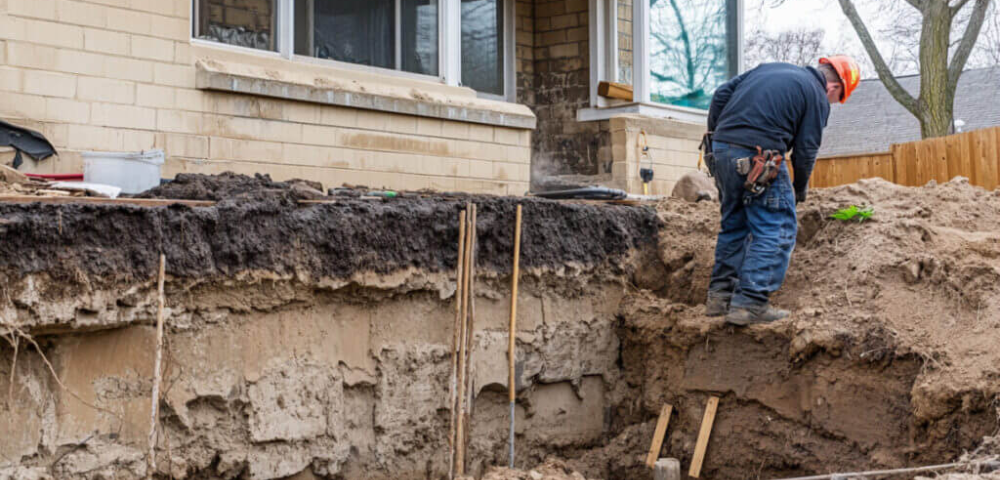
It’s important to distinguish between general foundation repair and seismic retrofitting, though the two often intersect. Standard foundation repair might address issues like settling, cracking, or bowing walls due to soil pressure or water damage. However, if these existing problems compromise the structural integrity needed for seismic resistance, then addressing them becomes part of a larger seismic retrofit strategy. For example, a foundation wall that is already failing may not withstand seismic forces without significant reinforcement, potentially requiring techniques like sister foundations or advanced underpinning. A thorough inspection by a qualified foundation repair and seismic retrofit specialist is key to identifying all necessary improvements, ensuring that both immediate stability and long-term seismic safety are addressed comprehensively.
Making the Investment Decision
Deciding whether a seismic retrofit is worth it involves a calculated assessment. Consider the potential cost of repair after a significant seismic event compared to the cost of retrofitting today. Factor in the age and construction type of your home, its location relative to seismic fault lines, and the current condition of your foundation. Insurance policies may also offer incentives or require certain retrofits. Ultimately, the decision balances financial considerations with peace of mind and the protection of your most significant asset. Consulting with experienced foundation repair and seismic retrofit professionals can provide clarity on the specific needs of your property and the most effective solutions.
Common questions
Is seismic retrofitting always necessary?
Seismic retrofitting is most critical in areas prone to significant earthquake activity, especially for older buildings not constructed to modern seismic standards. Its necessity depends on the specific seismic risk of the location and the structural vulnerabilities of the building.
How do I know if my foundation needs seismic retrofitting?
A professional inspection is the best way to determine if your foundation requires seismic retrofitting. Signs include a home that is not adequately bolted to its foundation, cripple walls that are not braced, or a foundation that shows signs of stress or weakness.
What is the difference between foundation repair and seismic retrofit?
Foundation repair addresses immediate structural issues like cracks, settling, or water damage affecting the foundation’s stability. Seismic retrofit specifically strengthens the structure to withstand earthquake forces, often building upon or integrating with necessary foundation repairs.
Can seismic retrofitting improve my home’s value?
Yes, a properly executed seismic retrofit can enhance a home’s value by increasing its safety, resilience, and marketability, especially in earthquake-prone regions. It demonstrates a commitment to long-term structural integrity.
What are common seismic retrofit techniques?
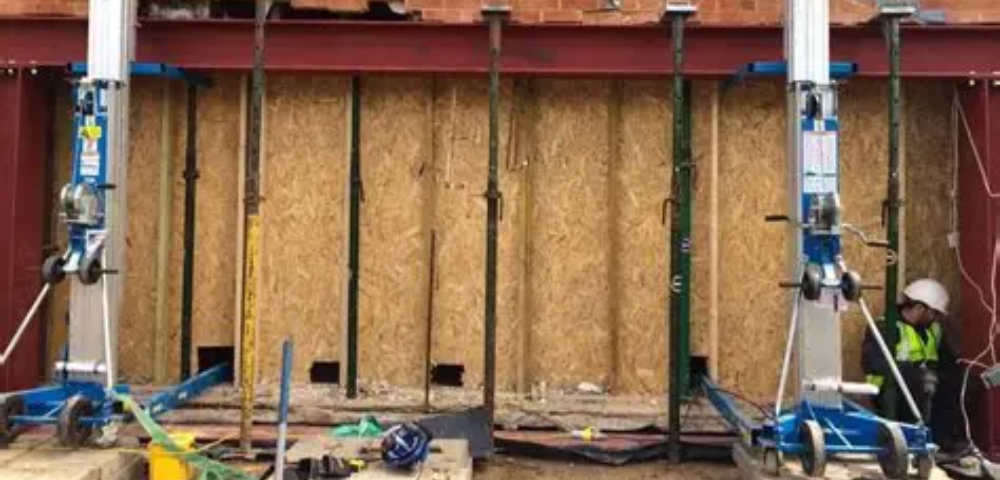
Common techniques include house bolting to secure the house to the foundation, bracing cripple walls, reinforcing foundation walls, and sometimes underpinning or adding pier and post support to improve overall structural stability.