Recent reports from Pinehurst highlight the critical need for effective stormwater management to combat erosion and runoff, issues that can directly impact residential foundations across regions like Los Angeles. Understanding how ground conditions interact with your home's structure is key to maintaining its integrity, especially in areas prone to seismic activity or changing soil moisture.
The Connection Between Soil and Foundation Health
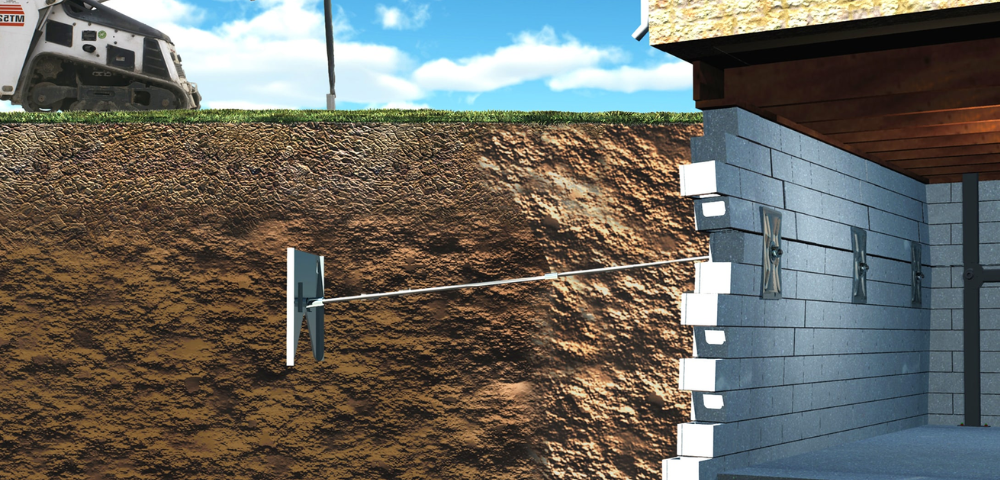
Foundations are the bedrock of any structure, designed to transfer the building's weight to the ground. However, the ground itself is not static. Soil composition, moisture levels, and temperature fluctuations all play a significant role in its behavior. In Los Angeles, a region with diverse soil types and varying rainfall patterns, these factors can lead to soil expansion and contraction. When soil expands, it can push against foundation walls, potentially causing cracks or bowing. Conversely, when soil dries and shrinks, it can create voids beneath the foundation, leading to settlement and instability. This constant interplay between soil and structure is why a robust foundation is crucial. Issues like poor drainage can exacerbate these problems. Water that pools around a foundation can saturate the soil, increasing its weight and pressure, or over time, it can erode the soil supporting the foundation, a process that effective stormwater management, as noted in Pinehurst's new rules [news-1], aims to mitigate. This erosion can undermine the soil's ability to bear the load, leading to more serious structural concerns.
Recognizing Early Indicators of Foundation Problems
Catching foundation issues early is essential for preventing more extensive and costly repairs. Homeowners should be vigilant for subtle changes around their property that might indicate soil movement affecting their foundation. One of the most common signs is the appearance of cracks. These can manifest in interior walls, exterior masonry, or even in the foundation walls themselves. Pay attention to the size and direction of these cracks; hairline cracks might be minor, but widening or stair-step cracks often signal more significant stress. Another indicator is uneven floors. If parts of your house feel like they are sloping or if you notice gaps appearing between the floor and the wall, it could mean the foundation is settling unevenly. Doors and windows that stick or jam are also a warning sign. When the foundation shifts, it can distort the frames of doors and windows, making them difficult to open or close. Exterior signs include leaning walls, which may appear as if they are bowing inward or outward, or visible cracks in the exterior brickwork or stucco. If you observe any of these symptoms, it is advisable to seek professional assessment. Early intervention can often involve simpler solutions like drainage improvements or targeted repairs, potentially avoiding the need for extensive underpinning or pier and post support systems.
Proactive Measures for Foundation Protection
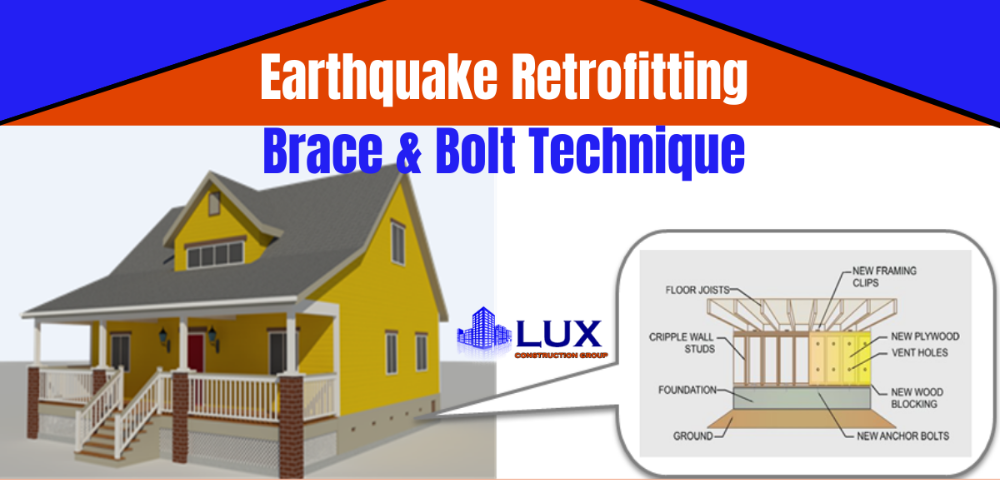
Maintaining the health of your foundation involves both understanding its vulnerabilities and taking preventative steps. Proper drainage is paramount. Ensuring that rainwater is directed away from your home's foundation is critical. This involves checking that gutters are clean and downspouts extend far enough from the structure. Grading the soil around your house so it slopes away from the foundation can also help prevent water from accumulating. Consider implementing comprehensive waterproofing solutions for your basement or crawl space to create a barrier against moisture. For homeowners in earthquake-prone areas like Los Angeles, seismic retrofitting is a vital consideration. Services like house bolting and earthquake retrofitting help secure the foundation to the house's frame, reducing the risk of structural damage during seismic events. These measures are often referred to as earthquake retrofitting or seismic retrofit. In situations where soil movement has already caused significant damage, techniques such as sister foundations or underpinning may be necessary. Underpinning involves strengthening or deepening an existing foundation, while sister foundations involve building a new foundation adjacent to the existing one to provide additional support. Addressing foundation issues proactively can save considerable expense and stress in the long run.
Key takeaways
- Soil expansion and contraction due to moisture and temperature changes can stress foundations.
- Effective stormwater management helps prevent erosion and soil saturation around foundations.
- Early warning signs of foundation damage include cracks, uneven floors, and sticking doors/windows.
- Proactive measures like proper grading, waterproofing, and seismic retrofitting are crucial for foundation health.
- Professional assessment is recommended when any signs of foundation distress are observed.
Frequently asked questions
What causes foundation damage in Los Angeles?
Foundation damage in Los Angeles is often caused by soil movement, which can result from changes in moisture content, temperature fluctuations, and seismic activity. Poor drainage exacerbates these issues by allowing water to saturate or erode the soil supporting the foundation.
What are the first signs of foundation problems?
The first signs of foundation problems typically include cracks in walls (interior or exterior), uneven or sloping floors, doors and windows that stick or jam, and visible leaning or bowing of foundation walls.
How can I protect my foundation from soil movement?
You can protect your foundation by ensuring proper drainage away from the structure, maintaining consistent soil moisture levels around the house, and considering seismic retrofitting measures like house bolting for earthquake preparedness.